✅ 81%
Tomatómetro
Certified Fresh
👥 77%
Audiencia
230 votos
Dónde ver
Streaming


Detalles
- Estado
- Ended
- Temporadas
- 4
- Episodios
- 34
- Duración ep.
- 57m
- Estreno
- nov 2018
📺 SerieDrama20184 temporadas
My Brilliant Friend
"Una amistad que definió toda una vida."
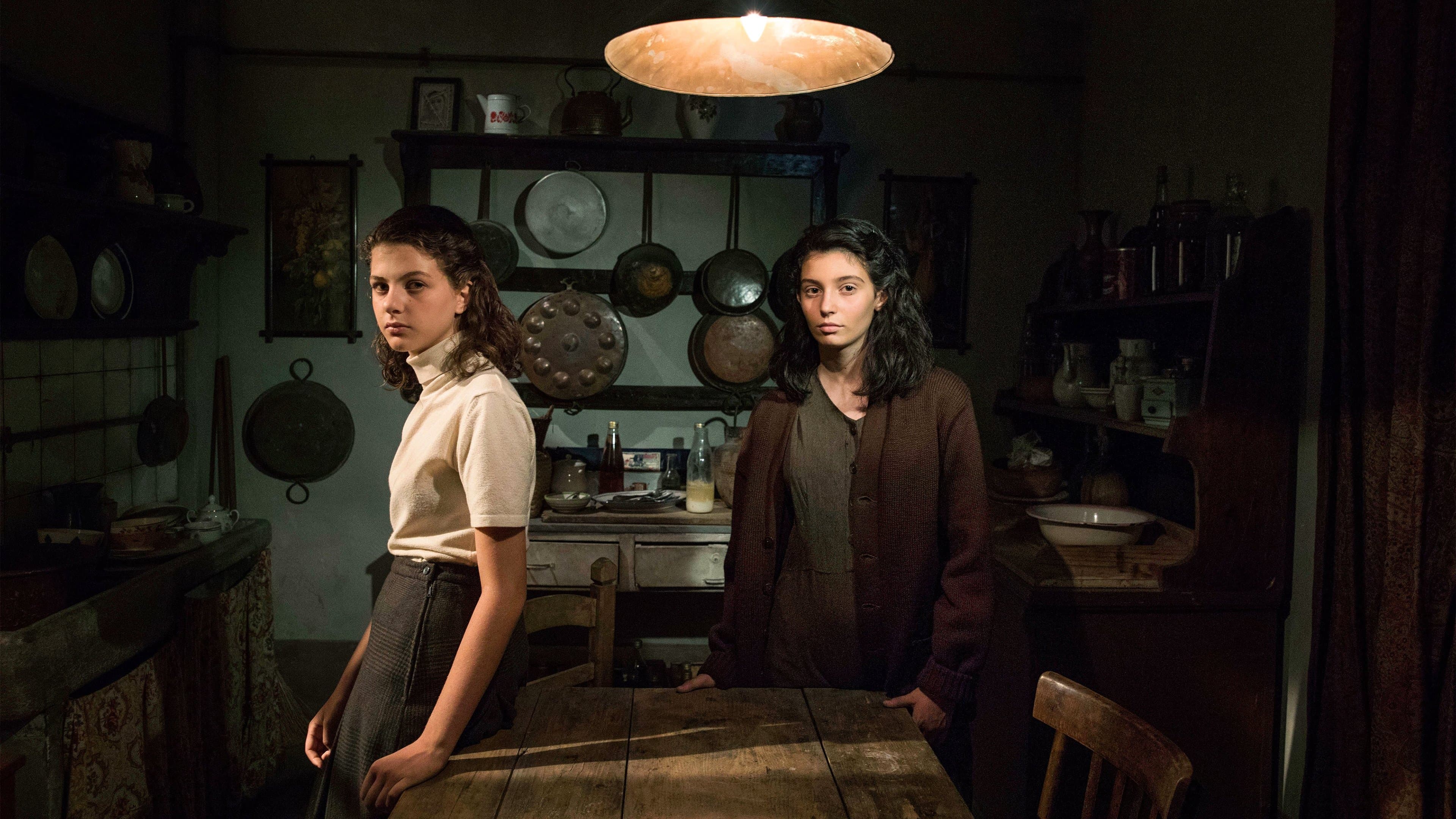
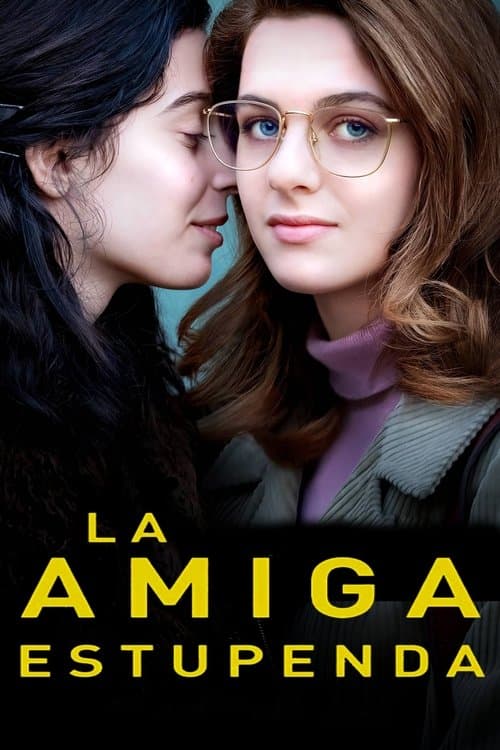
Cuando una de sus amigas más importantes desaparece sin dejar rastro, Elena Greco, una anciana que vive en una vivienda llena de libros, decide escribir la historia de su amistad desde 1950. Esto pretende desvelar el misterio de Lila, su mejor amiga y mayor enemiga.
Creada por
Cadena
Rai 1
Reparto principal



🎬 Trailers y clips
📝 Reseñas de críticos
3 reseñas
Danybur
29 dic 2020
(Español / English) Temporadas 1 y 2 / Seasons 1 & 2 TEMPORADA 1 / SEASON 1 Mi amiga brillante sigue la amistad de dos chicas a lo largo de su niñez y adolescencia durante los años 50, en el marco de un suburbio de Nápoles habitado por una sociedad violentamente machista. Grandes actuaciones en una serie que por momentos constituye una reencarnación del neorrealismo italiano y que late con una emotividad y una melancolía pocas veces vistas y fluye con aliento novelesco. Toda una pintura de época. .................... My brilliant friend follows the friendship of two girls throughout their childhood and adolescence during the 1950s, in the setting of a suburb of Naples inhabited by a violently macho society. Great performances in a series that at times constitutes a reincarnation of Italian neorealism and that beats with an emotion and melancholy rarely seen and flows with a romantic breath. A whole period painting. .......................................... Temporada 1 Esta miniserie italiana sigue la amistad de Lenú y Lila, primero como niñas y luego como adolescentes/jóvenes en un suburbio de Nápoles a lo largo de la década del 50 y comienzos de los 60s. La serie articula esa relación con el entorno familiar social de ambas de manera muy natural y efectiva. Una relación profunda de dos chicas muy diferentes: Lenú es introvertida, conciliadora y estudiosa mientras que Lila tiene una inteligencia privilegiada, es desafiante e impredecible, a veces exasperante, convirtiéndose de a ratos en una suerte de femme fatal muy particular. Una amistad con acercamientos, alejamientos y ocasionales rivalidades. Pertenecen a familias con mujeres sometidas en un marco social violentamente patriarcal poco interesado en su desarrollo intelectual y personal, con rivalidades familiares y de clanes, de clase e ideológicas y en algún punto sujeto a un Destino propio de un fatalismo muy mediterráneo. Y todo transcurriendo en ese barrio polvoriento magníficamente fotografiado en tono sepia. Sobre todo al comienzo, la reconstrucción de época y las actuaciones remiten claramente al neorrealismo italiano de posguerra. Nótese que los personajes hablan en el dialecto napolitano. Saverio Constanzo realiza una dirección magnífica, cinematográfica, tanto en las escenas intimistas como en las colectivas. La serie se basa en el primer volumen de la tetralogía de novelas Dos amigas, de la escritora Elena Ferrante, cuyo texto aparece en la voz en off de una Lenú ya adulta, desde cuyo punto de vista se narra la historia. Además de la muy buena actuación de las dos niñas y del elenco (con esas madres que parecen una reencarnación de Anna Magnani y una extraordinaria Dora Romano como la maestra Oliviero) sobresalen las magníficas interpretaciones de Margherita Mazzucco y Gaia Girace, como Lenú y Lila ya adolescentes y jóvenes, respectivamente, cada una inmersa en su particular melancolía. Cada espectador seguramente elegirá a uno de ambos personajes como su favorito. Además de combinar muy bien y con aliento novelesco todas las dimensiones de esta narración (psicológica, social, histórica), la serie sabe en muchos momentos latir con una emotividad profunda e inédita, subrayada por la gran banda sonora de Max Richter, basada armónicamente en el tema La Follia, favorito de muchos compositores barrocos. Sin dudas, una de las mejores series del HBO, en que los destinos de dos amigas no dejan de tener un matiz irónico. ........................................... Season 1 This Italian miniseries follows the friendship of Lenú and Lila, first as girls and then as teenagers / youth in a Naples suburb throughout the 1950s and early 1960s. The series articulates this relationship with the family and social environment of both in a very natural and effective way. A deep relationship between two very different girls: Lenú is introverted, conciliatory and studious while Lila has a privileged intelligence, is defiant and unpredictable, at times exasperating, becoming a very particular kind of femme fatal at times. A friendship with closeness, distance and occasional rivalries. They belong to families with women subjected to a violently patriarchal social framework with little interest in their intellectual and personal development, with family and clan, class and ideological rivalries and at some point subject to a Destiny typical of a very Mediterranean fatalism. And all taking place in that dusty neighborhood superbly photographed in sepia tone. Especially at the beginning, the period reconstruction and performances clearly refer to post-war Italian neorealism. Note that the characters speak in the Neapolitan dialect. Saverio Constanzo makes a magnificent, cinematographic direction, both in the intimate scenes and in the collective ones. The series is based on the first volume of the novel tetralogy Dos amigas, by the writer Elena Ferrante, whose text appears in the voice-over of an adult Lenú, from whose point of view the story is told. In addition to the very good performance of the two girls and the cast (with those mothers who seem like a reincarnation of Anna Magnani and an extraordinary Dora Romano as teacher Oliviero), the magnificent performances of Margherita Mazzucco and Gaia Girace stand out, as Lenú and Lila adolescents and young, respectively, each immersed in her own particular melancholy . Each viewer will surely choose one of both characters as his favorite. In addition to combining very well and with a romantic spirit all the dimensions of this narrative (psychological, social, historical), the series at many times knows how to beat with a deep and unprecedented emotionality, underlined by the great soundtrack by Max Richter, harmonically based on the theme La Follia, a favorite of many Baroque composers. TEMPORADA 2 / SEASON 2 Abstract Español La temporada 2 de Mi amiga brillante (basada en Un mal nombre, segunda novela de la tetralogía de Elena Ferrante) continúa con los encuentros y desencuentros de ls amigas Lenu y Lila. La serie conserva toda su potencia emotiva e incluso la redobla, envolviéndonos con su increíble reconstrucción de época. Desde ya que ciertos tópicos aparecen en otras ficciones, pero siempre el abordaje de los directores Saverio Costanzo y Alice Rohrwacher (y claro, de Ferrante) y el maravilloso desempeño de su elenco (encabezado por Margherita Mazzucco y Gaia Girace, dos auténticas adolescentes nacidas en 2004 y con una asombrosa madurez interpretativa) los dotan de una profundidad, una intensidad y una sobriedad absolutamente originales. Reseña Español Contiene referencias a la Temporada 1 La temporada 2 de Mi amiga brillante (basada en Un mal nombre, segunda novela de la tetralogía de Elena Ferrante) continúa con los encuentros y desencuentros de ls amigas Lenu y Lila, la primera con su paciente y tenaz camino de formación académica y la pasional y emprendedora Lila inmersa en la trampa familiar de su matrimonio con Stefano, agente de una engañosa prosperidad y la de ese barrio en el que siempre vivió. En ambos casos, omnipresente la matriz patriarcal y sus mandato de matrimonio y maternidad y que busca desalentar elegantemente a la primera y someter a la segunda con una violencia cotidianizada. Irrumpe la rivalidad amorosa entre ambas con el marco de la paradisiaca Ischia, en escenas de gran belleza y sugestión (dirigidas por Alice Rohrwacher y que nos hace comprender el carácter burgués de eso que llamamos adolescencia, un territorio a conquistar por mujeres que pasan de la niñez a la adultez sin escalas). Se hacen presentes y patentes la escena política italiana de los 60s y las diferencias entre el norte y el sur de Italia. La serie conserva toda su potencia emotiva e incluso la redobla, envolviéndonos con su increíble reconstrucción de época. Desde ya que ciertos tópicos aparecen en otras ficciones, pero siempre el abordaje de los directores Saverio Costanzo y Alice Rohrwacher (y claro, de Ferrante) y el maravilloso desempeño de su elenco (encabezado por Margherita Mazzucco y Gaia Girace, dos auténticas adolescentes nacidas en 2004 y con una asombrosa madurez interpretativa) los dotan de una profundidad y una sobriedad absolutamente originales. English Abstract Season 2 of My Brilliant Friend (based on A Bad Name, the second novel in Elena Ferrante's tetralogy) continues with the encounters and misunderstandings of the friends Lenu and Lila. The series retains all its emotional power and even doubles it, enveloping us with its incredible period reconstruction. Of course, certain topics appear in other fictions, but always the approach of the directors Saverio Costanzo and Alice Rohrwacher (and of course, Ferrante) and the wonderful performance of their cast (led by Margherita Mazzucco and Gaia Girace, two authentic teenagers born in 2004 and with an astonishing interpretive maturity) endow them with an absolutely original depth, intensity and sobriety. English Review Contains references to Season 1 Season 2 of My Brilliant Friend (based on A Bad Name, the second novel of Elena Ferrante's tetralogy) continues with the encounters and misunderstandings of the friends Lenu and Lila, the first with her patient and tenacious path of academic training and passion. and enterprising Lila immersed in the family trap of her marriage to Stefano, agent of a deceptive prosperity and that of the suburb in which she always lived. In both cases, omnipresent the patriarchal matrix that seeks to elegantly discourage the first and subdue the second with daily violence. The love rivalry between the two erupts within the framework of the paradisiacal Ischia, in scenes of great beauty and suggestion (directed by Alice Rohrwacher and that makes us understand the bourgeois character of what we call adolescence, a territory to be conquered by women who pass from the childhood to adulthood nonstop). The Italian political scene of the 60s and the differences between northern and southern Italy are present and evident. The series retains all its emotional power and even doubles it, enveloping us with its incredible period reconstruction. Of course, certain topics appear in other fictions, but always the approach of the directors Saverio Costanzo and Alice Rohrwacher (and of course, Ferrante) and the wonderful performance of their cast (led by Margherita Mazzucco and Gaia Girace, two authentic teenagers born in 2004 and with an astonishing interpretive maturity) give them an absolutely original depth and sobriety. Without a doubt, one of the best series of HBO.