⭐ 73%
Tomatómetro
Fresh
👥 70%
Audiencia
154 votos
Detalles
- Estado
- Ended
- Temporadas
- 1
- Episodios
- 3
- Duración ep.
- 1h 32m
- Estreno
- may 1984
📺 SerieSci-Fi & Fantasy19841 temporada
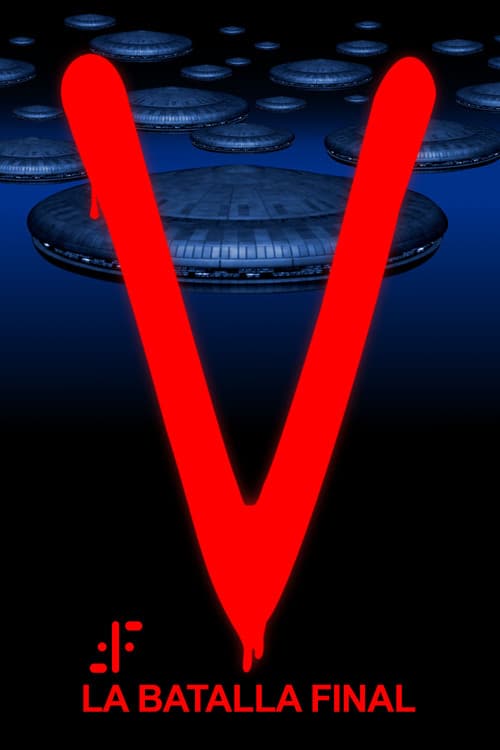
V: La batalla final
Un pequeño grupo de luchadores de la resistencia humana libran una guerra de guerrillas desesperada contra los extraterrestres genocidas que dominan la Tierra.
Creada por
Cadena
NBC
Reparto principal





Temporadas
1 temporadas
Temporada 1
3 episodios · 1984
📝 Reseñas de críticos
1 reseñas
Marco-Hugo Landeta Vacas
19 abr 2026
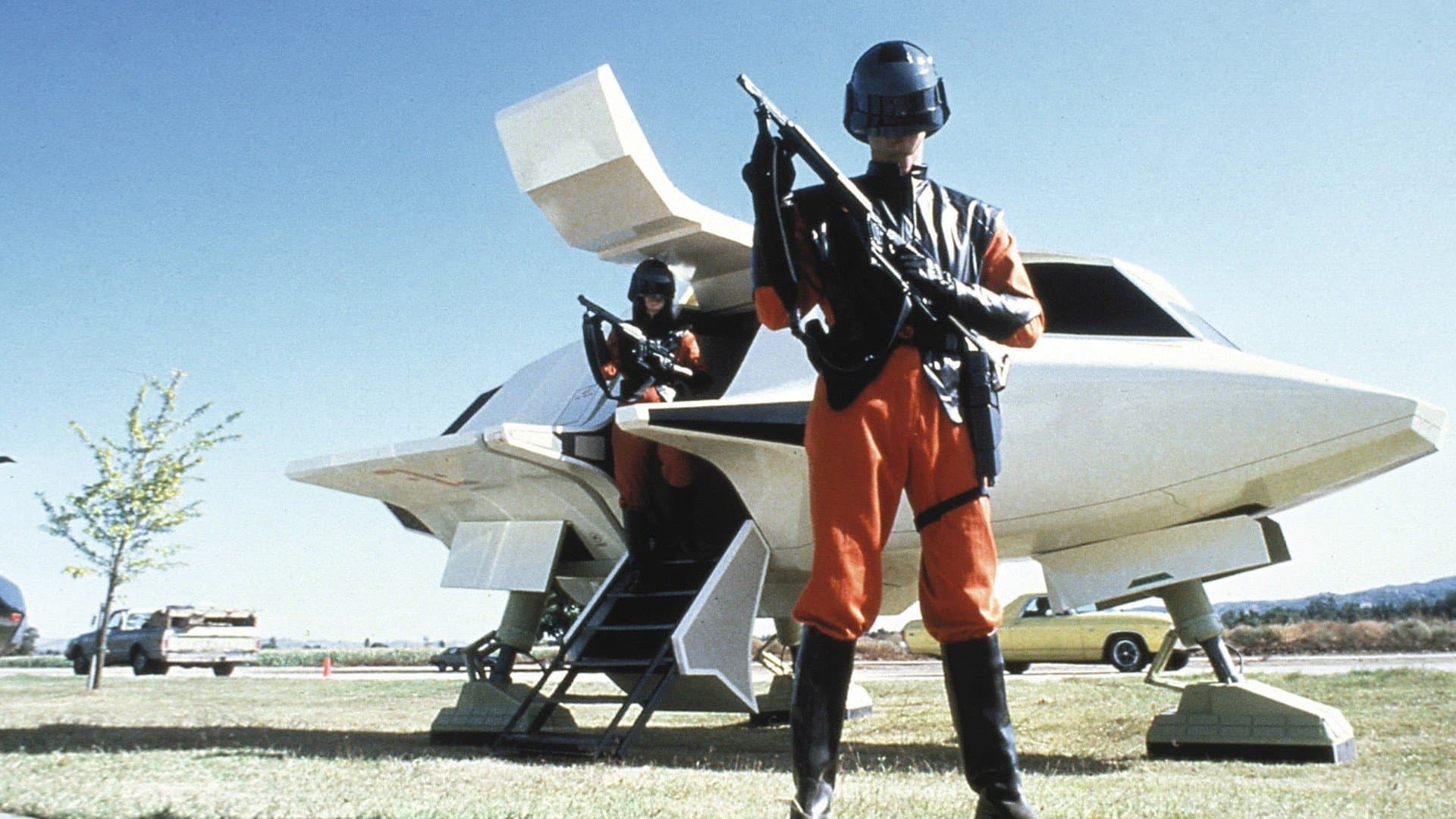
(CASTELLANO) V me encanta, y en mi caso no puedo separarla del recuerdo de cómo se vivió aquí. En España fue un fenómeno enorme, hasta el punto de que los sábados se paraba todo para ver el episodio nuevo. Pero más allá del dato, lo que queda de verdad es esa sensación de acontecimiento absoluto, de serie que en la infancia parecía gigantesca. Vista hoy, claro que se notan los años, pero conserva muchísima fuerza. Los efectos especiales eran muy buenos para un producto televisivo de principios de los ochenta, las naves imponían, la idea de los Visitantes funcionaba de maravilla y la mezcla de espectáculo, paranoia y resistencia tenía un gancho brutal. Había algo muy poderoso en ese contraste entre la puesta en escena casi amable de los invasores y la amenaza real que escondían detrás. Además, la serie tenía más fondo del que parecía a simple vista. No era solo ciencia ficción popular con lagartos y platillos volantes. Detrás había una parábola muy clara sobre el fascismo, la propaganda, el colaboracionismo y la resistencia, y eso le daba una fuerza especial. Incluso de niño se notaba que aquello era importante, aunque no supieras explicarlo con esas palabras. No era solo “qué miedo dan los extraterrestres”, sino la sensación de que estaban ocupando el mundo desde dentro. Eso también explica por qué dejaba tanta huella. Tenía aventura, suspense, cliffhangers y momentos icónicos, pero debajo de todo eso había una historia sobre manipulación, ocupación y rebeldía que se te quedaba metida. Luego, al revisitarla de adulto, pierde inevitablemente algo del deslumbramiento original, porque los ojos de la infancia no vuelven. Pero lo que no pierde es ese recuerdo emocional tan fuerte, esa asociación inmediata con una época, una televisión y una manera de vivir las series que ya no existe. No diría que hoy sea perfecta. Hay interpretaciones irregulares, cierta ingenuidad narrativa y cosas que ahora se ven más mecánicas o más simples. Pero sinceramente, me da bastante igual. Tiene imaginación, atmósfera, identidad y un sentido del espectáculo televisivo que sigue funcionando. Y cuando una serie se te queda incrustada así en la memoria durante más de cuarenta años, es por algo. Para mí, V sigue siendo una maravilla de su tiempo: una serie que mezcló entretenimiento popular, miedo, ciencia ficción y una lectura política bastante más seria de lo que muchos recuerdan. La he visto muchas veces después, ya sin aquel hechizo intacto de los once años, pero ese primer impacto sigue ahí, intacto en algún sitio. Y eso también forma parte de su grandeza. (ENGLISH) V is a series I love, and in my case I cannot separate it from the memory of how it was experienced here. In Spain it became a huge phenomenon, to the point that everything seemed to stop on Saturdays when the new episode aired. But beyond the facts, what truly remains is the feeling of a major event, the kind of show that felt enormous when you were a child. Watching it now, of course you can see its age, but it still has a lot of power. The special effects were very strong for an early-1980s television production, the motherships were imposing, the idea of the Visitors worked beautifully, and the mix of spectacle, paranoia, and resistance had tremendous appeal. There was something genuinely powerful in the contrast between the apparently friendly presentation of the invaders and the real threat hidden underneath. The series also had more depth than it seemed to have at first glance. It was not just popular science fiction with lizards and flying saucers. Underneath it all was a very clear parable about fascism, propaganda, collaboration, and resistance, and that gave it a special force. Even as a child, you could feel that it mattered, even if you could not have explained it in those terms. It was not only “these aliens are scary,” but the sense that they were taking over the world from the inside. That also explains why it left such a mark. It had adventure, suspense, cliffhangers, and iconic moments, but underneath all that it was telling a story about manipulation, occupation, and rebellion that stayed with you. Revisiting it as an adult, it inevitably loses some of that original wonder, because the eyes of childhood do not come back. But what it does not lose is that powerful emotional memory, that instant connection to a time, a kind of television, and a way of living weekly series that no longer exists. I would not say it is perfect now. Some performances are uneven, parts of the storytelling are naïve, and some things feel simpler or more mechanical today. But honestly, I do not care that much. It has imagination, atmosphere, identity, and a sense of televised spectacle that still works. And when a series stays lodged in your memory for more than forty years like this, it means something. For me, V remains a marvel of its time: a series that mixed popular entertainment, fear, science fiction, and a much more serious political reading than many people remember. I have watched it many times since, without the untouched spell it had when I was eleven, but that first impact is still there somewhere, intact. And that is part of its greatness too.