⭐ 70%
Tomatómetro
Fresh
👥 67%
Audiencia
1,665 votos
Dónde ver
Renta



Detalles
- Estado
- Released
- Duración
- 1h 38m
- Estreno
- 12 de noviembre de 2021
- Presupuesto
- $11,000,000
- Taquilla
- $49,158,343
🎬 PelículaDramaHistoria2021⏱ 1h 38m
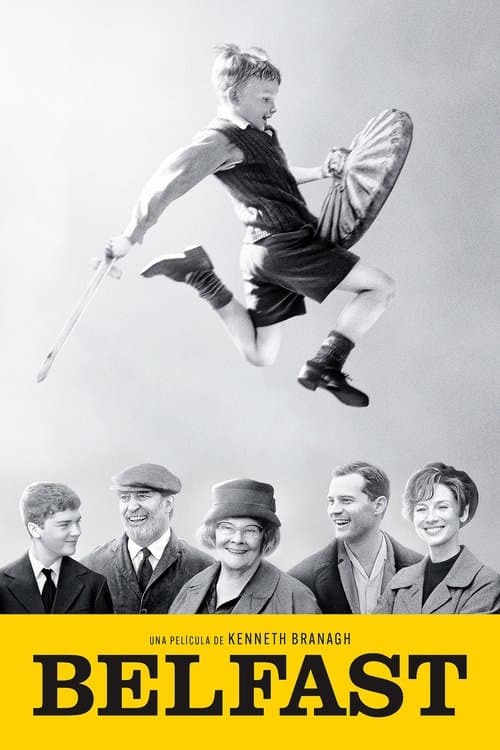
Belfast
"No importa lo lejos que vayas, nunca olvidas de dónde vienes."
Buddy es un niño en la cúspide de la adolescencia, cuya vida está llena de amor familiar, hijinks infantiles y un romance floreciente. Sin embargo, con su amada ciudad natal atrapada en la creciente agitación, su familia enfrenta una elección trascendental: esperanza que el conflicto pase o abandone todo lo que saben por una nueva vida.
Director
Kenneth BranaghGuión
Kenneth Branagh
Reparto principal



📝 Reseñas de críticos
2 reseñas👤
MarcelltoProust
31 oct 2022
No es una obra maestra ni va a entrar en el panteón de los clásicos del cine. Pero es bella por su simplicidad. Un blanco y negro impecable y una cámara en todo momento bien ubicada (Los primeros planos brillan y abundan). El contexto histórico se entiende aunque quizá podría dar más información para quien no supiera que sucedía en Irlanda del Norte en esa época. Es una historia familiar. Un drama familiar. Un pequeño destello.

Marco-Hugo Landeta Vacas
17 feb 2026
(CASTELLANO) Hay películas que nacen claramente del recuerdo, no del conflicto. Belfast es una de ellas. Kenneth Branagh decide mirar su infancia en la Irlanda del Norte de finales de los 60 y lo hace desde una perspectiva íntima, casi protegida. El contexto histórico está ahí, la violencia también, pero nunca se impone del todo. Lo que importa es el niño, su familia y ese pequeño mundo que intenta mantenerse en pie mientras todo alrededor se agita. La decisión de rodarla en blanco y negro refuerza esa sensación de memoria embellecida. La fotografía es impecable, cuidada hasta el último detalle, pero también transmite una cierta distancia. Todo resulta muy bonito, muy ordenado, incluso cuando debería doler más. En algunos momentos uno tiene la impresión de que Branagh prefiere acariciar el pasado antes que enfrentarse a él. Eso no significa que no funcione. El reparto está muy bien, especialmente el joven Jude Hill, que sostiene la mirada infantil con naturalidad y sin caer en la caricatura. A su alrededor, los adultos aportan calidez y equilibrio, construyendo una familia creíble y emocionalmente cercana. Hay escenas que emocionan de forma sincera, sin necesidad de subrayados excesivos. El problema aparece cuando se compara la ambición del marco histórico con el alcance real de la película. Belfast fue un lugar convulso, duro, lleno de tensiones profundas, y aquí todo parece filtrado por una capa de nostalgia que suaviza las aristas. Branagh no busca hacer una obra definitiva sobre Irlanda del Norte; busca contar su infancia, y punto. Esa honestidad tiene algo respetable, pero también limita el impacto. Al final, Belfast se puede ver con agrado. Es elegante, emotiva y está bien construida, pero no termina de convertirse en esa gran obra sobre la memoria y el conflicto que podría haber sido. Funciona como carta personal y como homenaje familiar. Como retrato histórico más amplio, se queda un poco corta. (ENGLISH) Some films are clearly born from memory rather than conflict. Belfast is one of them. Kenneth Branagh looks back at his childhood in late-1960s Northern Ireland from an intimate, almost protected perspective. The historical context is there, the violence too, but it never fully dominates. What truly matters is the child, his family, and that small world trying to stay intact while everything around it shifts. The choice to shoot in black and white reinforces the feeling of a beautified memory. The cinematography is impeccable, carefully composed, yet it also creates a certain distance. Everything feels very polished, very orderly, even when it should perhaps hurt more. At times, it seems Branagh would rather gently revisit the past than fully confront it. That doesn’t mean the film fails. The cast is strong, especially young Jude Hill, who carries the child’s perspective with sincerity and without exaggeration. The adult performances add warmth and balance, creating a family dynamic that feels emotionally authentic. There are moments that genuinely move you without overstatement. The issue emerges when considering the weight of the historical backdrop. Belfast was a deeply turbulent place, marked by tension and division, and here much of that feels filtered through nostalgia that softens the edges. Branagh is not trying to make the definitive film about Northern Ireland; he is telling his childhood, and that’s it. That honesty is admirable, but it also limits the impact. In the end, Belfast is an enjoyable watch. It’s elegant, emotional, and well crafted, but it doesn’t quite become the great exploration of memory and conflict it could have been. It works beautifully as a personal letter and family tribute. As a broader historical portrait, it feels somewhat restrained.