Detalles
- Estado
- Estrenada
- Duración
- 1h 25m
- Estreno
- 6 de junio de 1930
🎬 PelículaDrama1930⏱ 1h 25m
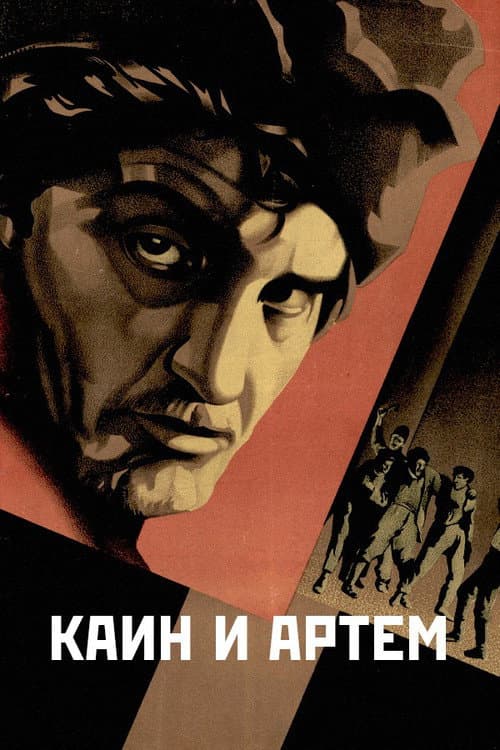
Каин и Артём
Director
Pavel Petrov-BytovGuión
Pavel Petrov-Bytov, Максим Горький
Reparto principal
📸 Fotos
5 imágenes📝 Reseñas de críticos
1 reseñas
Aqueronte72
11 oct 2024
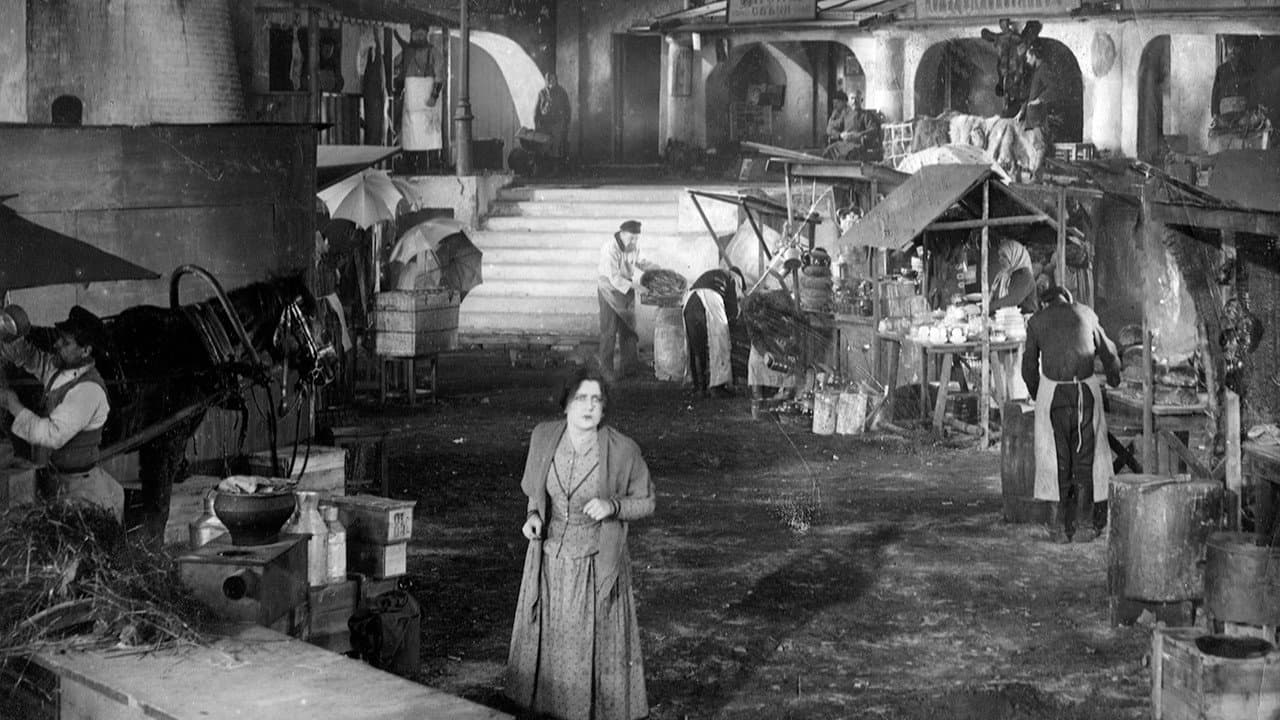
The communist realism of Maxim Gorky's works is embodied in the social concern of this quiet interwar work of art that Abel Gance would later dubbed and takes place in a Volga town; Its defect is being predictable, but only if it is not charitable and takes into account the genuine sacrifice that it must have meant for the kulaks and market vendors to survive in the face of debt poverty in Europe at the end of the 1920s. Precisely from a beginning, the anti-Semitic disdain, the poor and miserable conditions in the dirty square - and boring, as the intertitles say - are the breeding ground that triggers the emergence of a Marxist hero of the era; the figure of the stevedore Artem arrives at a good time to defend the abuses against the Jews "because there were laws only for men", and to gain the admiration of the villagers; see the spectacle of life and death that unfolded on the rooftops of the square; Artem is challenged by another huge opponent to demonstrate his strength and whom he had to defeat by pulling a rope from high up. The wife of an old fisherman also shows admiration for Artem but her husband, the old fish seller, conspires against the hero. The fish seller was the one who encouraged the big guy to challenge Artem. Upon defeating his opponent, Artem shakes the hand of Chaim, the boot shiner "among Jews." But is the plot predictable as I pointed out at the beginning? The viewer does not imagine that after meeting the fisherman's wife during the night, and separating, we will see Artem in a cantina, absorbed, with his head down looking at the bottles and the crowd dancing and drinking and wondering "Is this life?" "Do people have to live like this?" Answer: there is no hero, just someone who was the entertaining event in the square, but the cheers like Artem's adrenaline already flowed. Now those same people who seemed to praise him take the opportunity to beat up the drunken Artem outside the cantina. A last attempt from the boot cleaner Jaim "don't go to the square, they will kill you" and a push from the drunk. What follows, throw him into the river and then, rescued by Jaim and hidden for the return, or revenge in the same cantina, only before throwing them out of the window he forgives them and only repeats, a very Gorky phrase "you are not men, They are beasts."