Detalles
- Estado
- Estrenada
- Duración
- 1h 19m
- Estreno
- 15 de diciembre de 1964
🎬 PelículaDramaBélica1964⏱ 1h 19m
Через кладбище
Director
Віктар ТураўGuión
Pavel Nilin
Reparto principal
📸 Fotos
2 imágenes📝 Reseñas de críticos
1 reseñas
Aqueronte72
3 oct 2024
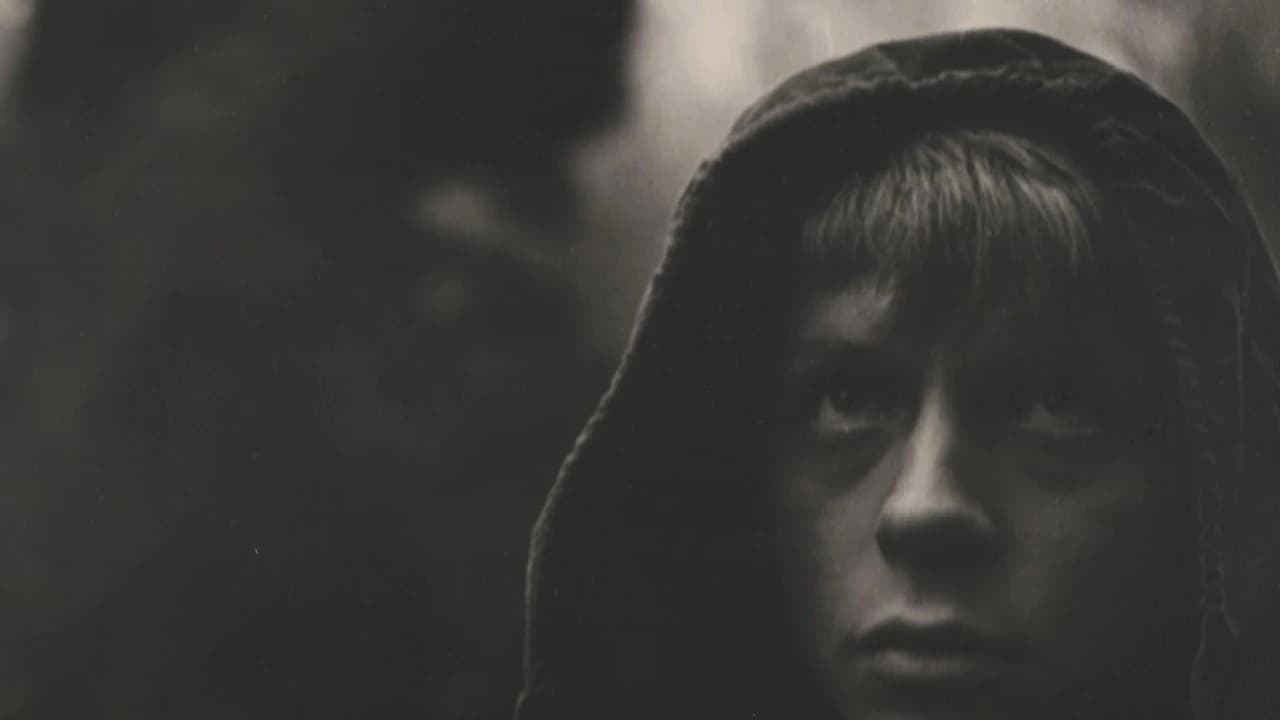
Stunning photography by Anatoly Zabolotsky in this inscrutable gem. Practically at every change of scene we will find a handful of gelatin silver plates with which anyone can lavish a superb professional display; for example: Sazón and Mikhas against the light in the lame cart, without perceiving a hanged man hanging under the bridge they are crossing, Felix, Vasili Yegorych's son with obvious mental retardation, sitting under that arithmetic dome feeding the pigeons, in short. The emotion black and white mutes for each type of camera movement. The beginning is inherently risky in style. A small partisan camp in the shadows of a mountain. If there is a cause that supports and justifies the use of the sequence shot, it is the sublime whispering of the barely distinguishable characters that becomes evident from minute 2 of the beginning in the dolly in -without cut- of the rebel camp; the long scene in which Zabolotsky's camera sniffs, flutters flanking the sorrows of the guerrillas, capturing the uncertainty of some and the troubled regret of others as if this part of the script were a magma - not very coherent at the moment - made of reactions and assumptions fired at the moment; However, when young Mikhas is assigned a mission and the tender Klava gives him her Walter pistol for good luck, the narrative will follow the boy's wanderings transported in the cart of the lively dipsomaniac Sazon Ivanovich. And they will have time to discuss and laugh, going, again, from a dolly zoom to a vertical tracking shot with the cart and the trip itself until they run into the Germans who ask them for documents and in response Sazon offers them brandy;The bearded man remembers the sad heroes of the country like Zakharovna and Makar Makarych, hanged by the Germans until they separated, arriving with Vasili Yegorych; time to dig up explosive warheads until the Germans unexpectedly arrive at night. I had barely recovered as a spectator of Mikhas's sublime soliloquy about cocoa, when he took the enormous bales and mentioned gold with the way his eyes shone, when the Germans assault the mine or church where they are and after the cry "father!" of Félix and the bursts of light in the darkness, the troubled Mikhas lying in his thoughts, the close up of his neck shaking with his eyes lost in the dark contrast of the hole, and then a rack focus at ground level, with the cobwebs and the grainy dot of the film in a crosshair between the funereal shadows; Zabolotsky's expressive capacity is truly impressive; The atmosphere that its cinematography recreates is eerie. While strange choirs are heard somewhat distant, the boy is invaded by the voices of his mother and many victims of the Germans. In the next scene we will see the young man being treated and then the chameleonic Sazon Ivanovich walking stealthily with his wife through the desolate streets where the shameful banners of the Nazi swastika hang. Maikhas may not even be of legal age, but he understands perfectly the betrayal of the local women who attend the town cafe and chat and live cheerfully with the German officers, as if he had adapted very well to the invading enemy and forgotten the massacre at their relatives.