
⭐ 70%
Tomatómetro
Fresh
👥 67%
Audiencia
1,311 votos
Dónde ver
Streaming


Detalles
- Estado
- Released
- Duración
- 2h 6m
- Estreno
- 30 de diciembre de 2020
🎬 PelículaDrama2020⏱ 2h 6m
Fragmentos de una mujer
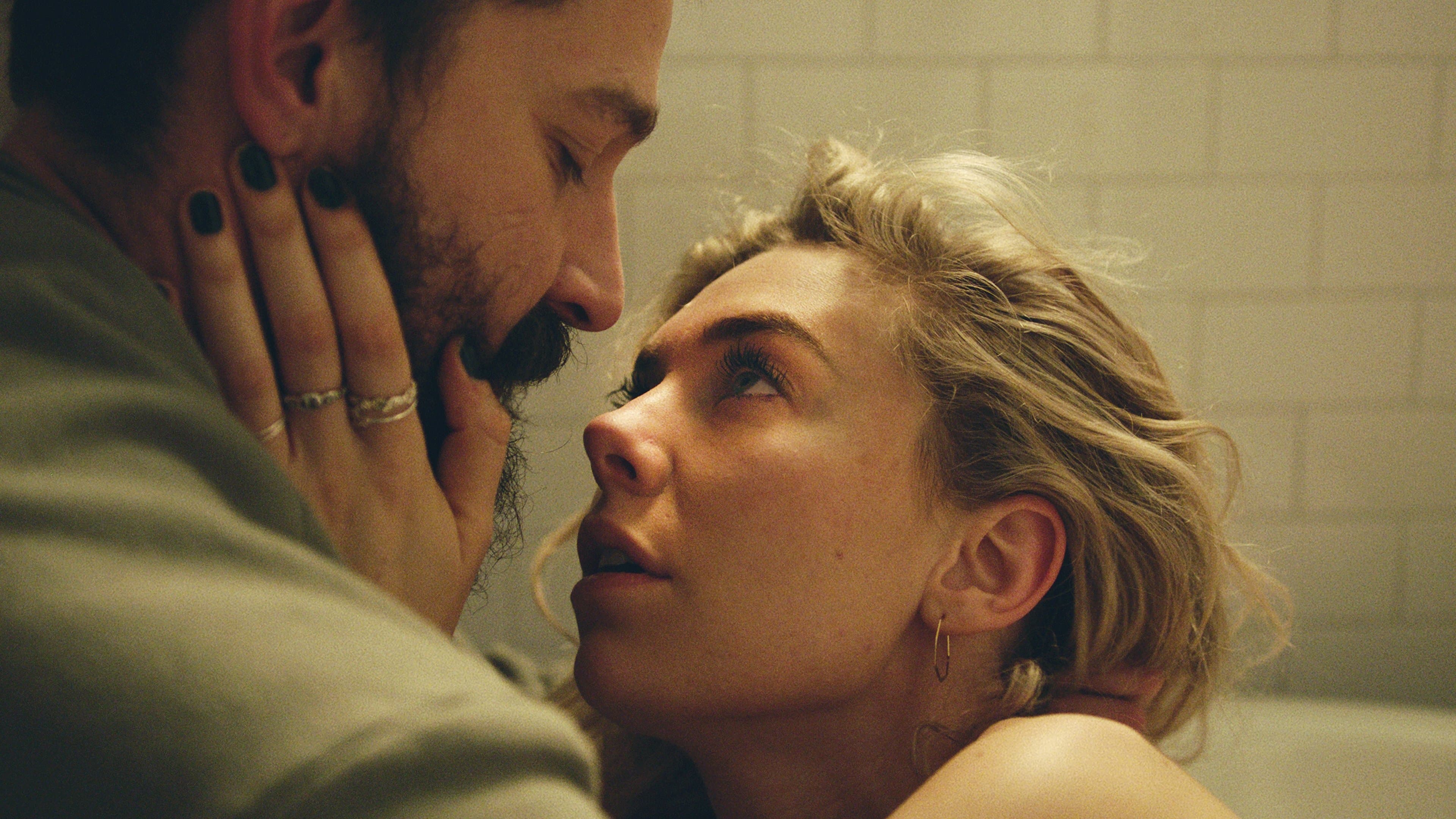
Tras perder a su hija en el parto, una mujer enfrenta las profundas consecuencias emocionales aislada de su pareja y familia por un abismo de dolor.
Director
Mundruczó KornélGuión
Wéber Kata


📝 Reseñas de críticos
2 reseñas
Danybur
13 ene 2021
Abstract Español Al terminar Fragmentos de una mujer me pregunté: ¿qué se propusieron contarme y decirme el director Kornél Mundruczó y su esposa, la guionista Kata Weber con esta película? ¿una historia sobre los efectos de la pérdida y los mecanismos del duelo, entre otros temas? Luego de su efectista y (demasiado) prolongada secuencia inicial en tiempo real, el problema de esta película es que no logra traducir adecuadamente todos su tópicos y conflictos en términos dramáticos a través de personajes y de una historia que evolucionen y conmuevan y cuyos elementos se ensamblen y complementen. Además, la estructura fragmentaria del relato, que recurre a la elipsis en forma sistemática, tampoco contribuye a la conexión del espectador; de ahí, en parte, el nombre de “Fragmentos”. Ni siquiera las actuaciones (tan “oscarizables”) me resultaron descollantes. ------------------------------------------------------------------ English Abstract At the end of Fragments of a Woman I asked myself: what did the director Kornél Mundruczó and his wife, the screenwriter Kata Weber, set out to tell me about with this film? A story about the effects of loss and the mechanisms of grief, among other topics? After its gimmicky and (too) long opening sequence in real time, the problem with this film is that it fails to adequately translate all its topics and conflicts in dramatic terms through characters and a story that evolve and move and whose elements are Assemble and complement. Furthermore, the fragmentary structure of the story, which uses ellipsis in a systematic way, does not contribute to the viewer's connection either; hence, in part, the name "Fragments." Not even the performances (so “Oscar-winning”) were outstanding to me. ---------------------------------------------------------------- Reseña Español Esta vez, en lugar de comenzar por una reseña argumental, debo preguntarme ¿qué se propusieron decirme el director Kornél Mundruczó y su esposa, guionista Kata Weber con esta película? Uno podría responder: relatarnos una historia sobre los efectos de la pérdida en la agudización de los contrastes de un matrimonio, sobre la negación como mecanismo de defensa, sobre el duelo como mandato o imposición, sobre la ética del resarcimiento, sobre las diferencias de clase en una pareja, sobre las nuevas modas obstétricas, sobre las madres manipuladoras, sobre las mujeres y sus cuerpos gestantes, sobre la culpa juedocristiana… todo como correlato de una (demasiado) extensa y efectista escena inicial (que generará ríos de admiración en parte del público) filmada en plano secuencia y que si aspira a golpear al espectador, hará que decaiga algo su interés por el resto del relato de en aquéllos que sean alcanzados por su (supuesta) dureza. El problema de esta película es que no logra traducir adecuadamente todos esos tópicos y conflictos (si es que se trata de todos ellos) en términos dramáticos a través de personajes y de una historia que evolucionen y conmuevan y cuyos elementos se ensamblen y complementen. Además, la estructura fragmentaria del relato, que recurre a la elipsis en forma sistemática, tampoco contribuye a la conexión del espectador; de ahí, en parte, el nombre de “Fragmentos”. Ni siquiera las actuaciones me resultaron descollantes. Personalmente, entonces, me ha resultado imposible empatizar con sus personajes, salvo algunos pocos momentos con la protagonista (Vanessa Kirby) y detestar un poco a su pareja (el sobreactuado Shia LaBoeuf) -------------------------------------------------------------------------------------------------------- English Review This time, instead of starting with a plot review, I must ask myself, what did director Kornél Mundruczó and his wife, screenwriter Kata Weber, set out to tell me with this film? One could answer: tell us a story about the effects of loss in sharpening the contrasts of a marriage, about denial as a defense mechanism, about mourning as a command or imposition, about the ethics of reparation, about class differences on a couple, on the new obstetric fashions, on manipulative mothers, on women and their pregnant bodies, on the Judeo-Christian guilt ... all as a correlate of a (too) long and effective opening scene (which will generate rivers of admiration in part of the public) filmed in sequence shot and that if it aspires to hit the viewer, it will cause their interest in the rest of the story to wane somewhat in those who are affected by its (supposed) harshness. The problem with this film is that it fails to adequately translate all these topics and conflicts (if it is all of them) in dramatic terms through characters and a story that evolve and move and whose elements are assembled and complemented. Furthermore, the fragmentary structure of the story, which uses ellipsis in a systematic way, does not contribute to the viewer's connection either; hence, in part, the name "Fragments." Even the performances were not outstanding to me. Personally, then, I have found it impossible to empathize with her characters, except for a few moments with the protagonist (Vanessa Kirby) and to detest her partner a bit (the overactive Shia LaBoeuf)