
Streaming


Renta


"Lo que no puedes ver puede lastimarte."
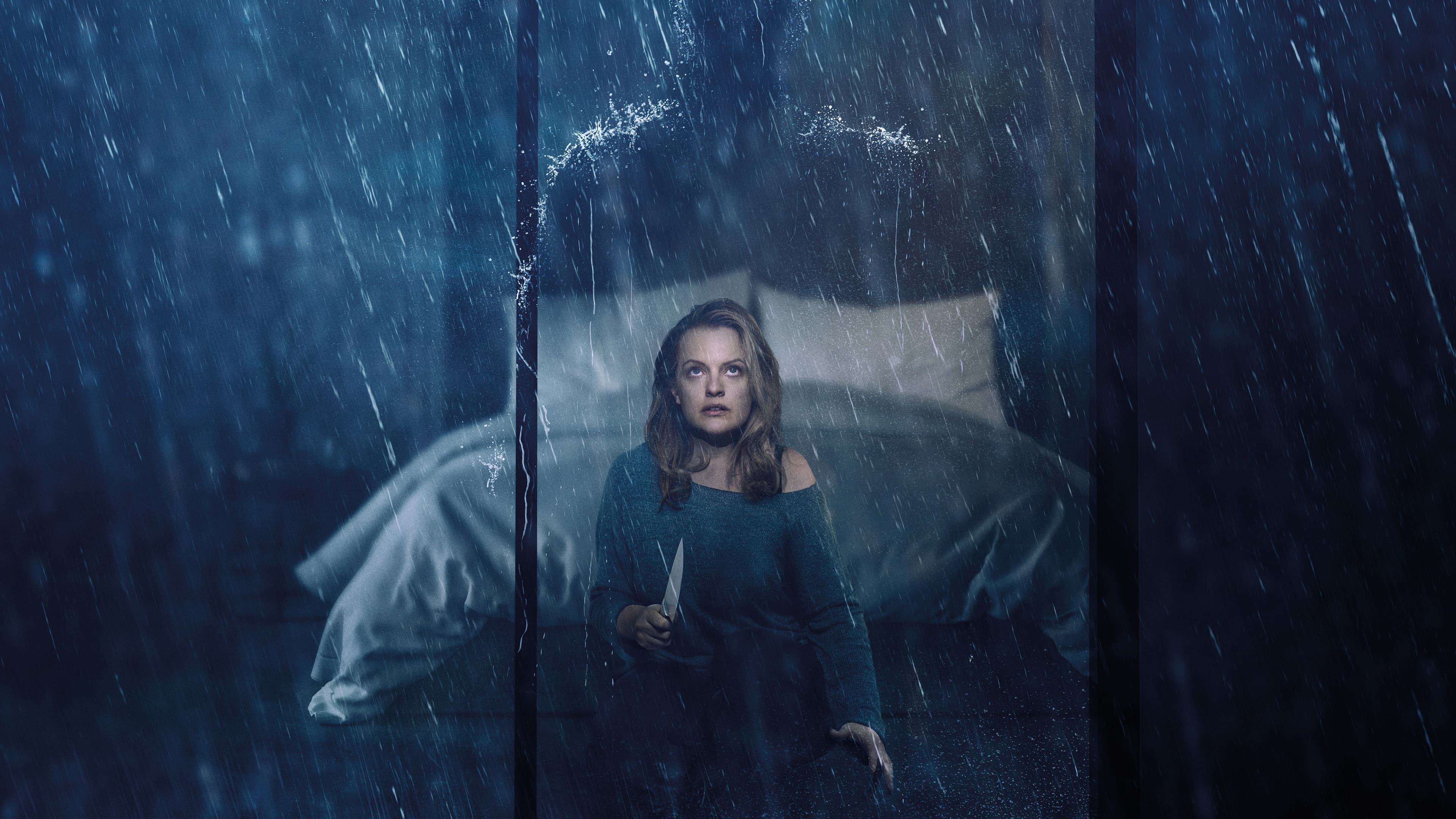
Cecilia rehace su vida tras recibir la noticia de que su exnovio, un maltratador empedernido, ha fallecido. Sin embargo, su cordura comienza a tambalearse cuando empieza tener la certeza de que en realidad sigue vivo.
Director
Leigh WhannellGuión
Leigh Whannell, H. G. Wells, Leigh Whannell


Danybur
28 ene 2021
**Abstract Español** El hombre invisible, del australiano Leigh Whannel, es una extraordinaria combinación de drama de abuso, thriller psicológico y paranoide y película de terror. En muchos momentos, el suspenso, la tensión y la sensación de amenaza que genera el filme son intolerables. Elizabeth Moss es la actriz ideal para encarnar a Cecilia, una mujer sufriente, abusada por su marido, que aún en los momentos más desesperados, nunca abandona una voluntad de lucha y de acceso a la verdad que le permitirá ir descubriendo la naturaleza de la amenaza que la atormenta y enfrentarla. Una vuelta de tuerca al tema del abuso y de ningún modo una trivialización. **English Abstract** The Invisible Man, by Australian Leigh Whannel, is an extraordinary combination of abusive drama, psychological and paranoid thriller and horror film. In many moments, the suspense, tension and the sense of threat that the film generates are intolerable. Elizabeth Moss is the ideal actress to play Cecilia, a suffering woman, abused by her husband, who even in the most desperate moments, never abandons a will to fight and access to the truth that will allow her to discover the nature of the threat that haunts her and face her. A twist on the subject of abuse and by no means a trivialization. **Reseña Español** La película comienza con Cecilia (Elisabeth Moss) escapando sigilosamente de la espectacular casa que comparte con su marido Adrian (Oliver Jackson Cohen), un psicópata abusador y genio de la óptica. No obstante enterarse tiempo después de la muerte de su marido, ella comienza a asegurar que Adrian la acosa. El hombre invisible, del australiano Leigh Whannel es una extraordinaria combinación de drama, thriller psicológico y paranoide y película de terror. En muchos momentos, el suspenso, la tensión y la sensación de amenaza que generan los encuadres y algunos pequeños eventos de una sutileza e incluso elegancia admirables son realmente intolerables. Por otro lado, sus dosificadas y repentinas escenas de violencia y los efectos especiales están maravillosamente resueltos. Como en toda buena película de género, su núcleo es el drama que sufre Cecilia basado el trauma persecutorio que padece como toda mujer abusada, potenciado en este caso por signos que no parecen del mundo real, tornando la sensación de amenaza más omnipresente y desesperante. Se podría afirmar que El hombre invisible remite en algunos aspectos a películas como Durmiendo con el enemigo y Luz de gas, aggiornándolos. No hay trivialización de la temática del abuso: la película nunca niega el pasado de Cecilia y su marido abusador. El abuso no comienza con la película y la propia Cecilia nos lo recuerda a cada rato: todo el tiempo remite a su pasado con él. La película solo muestra una nueva etapa de ese abuso. Elizabeth Moss es la actriz ideal para encarnar a esta mujer sufriente que, aún en los momentos más desesperados, nunca abandona una voluntad de lucha y de acceso a la verdad que le permitirá ir descubriendo la naturaleza de la amenaza que la atormenta y enfrentarla. **English Review** The film opens with Cecilia (Elisabeth Moss) sneaking out of the spectacular home she shares with her husband Adrian (Oliver Jackson Cohen), a psychopathic abuser and optical genius. Despite finding out some time after the death of her husband, she begins to ensure that Adrian harasses her. The Invisible Man, by Australian Leigh Whannel is an extraordinary combination of drama, psychological and paranoid thriller and horror film. In many moments, the suspense, tension and the sense of threat generated by the frames and some small events of an admirable subtlety and even elegance are really intolerable. On the other hand, its dosed and sudden scenes of violence and special effects are wonderfully resolved. As in any good genre film, its core is the drama that Cecilia suffers based on the persecutory trauma she suffers like every abused woman, enhanced in this case by signs that do not seem to be from the real world, making the feeling of threat more omnipresent and desperate. It could be said that The Invisible Man refers in some respects to films like Sleeping with the enemy and Gaslight. There is no trivialization of the issue of abuse: the film never denies the past of Cecilia and her abusive husband. Abuse does not begin with invisibility and Cecilia herself reminds us all the time: she refers to her past with him all the time. The film only shows a new stage of that abuse. Elizabeth Moss is the ideal actress to play this suffering woman who, even in the most desperate moments, never abandons a will to fight and access the truth that will allow her to discover the nature of the threat that torments her and to confront it.

Antonio Alaminos-Fernández
13 ene 2023
The Invisible Man is a horror film that tackles heavy subjects such as physical and mental abuse aimed at women. Directed by Leigh Whannell and starring Elisabeth Moss as Cecilia Kass, a woman trapped in an abusive relationship with a wealthy scientist, the film follows her escape and the traumatic events that follow. The atmosphere and tension is palpable throughout the film, with clever camera work and practical effects used to create a strangling feeling. The horror elements are effective and the subplots involving Cecilia's sister and friends add intriguing layers to the story without feeling convoluted. Despite starting as a Johnny Depp-led vehicle and part of a series, The Invisible Man proves to be one of the better horror movies of recent years, with great characters and performances. ____________________________ The Invisible Man es una película de terror que aborda temas pesados como el abuso físico y mental dirigido a las mujeres. Dirigida por Leigh Whannell y protagonizada por Elisabeth Moss como Cecilia Kass, una mujer atrapada en una relación abusiva con un científico rico, la película sigue su escape y los eventos traumáticos que siguen. La atmósfera y la tensión son palpables a lo largo de la película, con un trabajo de cámara inteligente y efectos prácticos utilizados para crear una sensación de estrangulamiento. Los elementos de terror son efectivos y las tramas secundarias que involucran a la hermana y los amigos de Cecilia agregan capas intrigantes a la historia sin que parezca enrevesada. A pesar de comenzar como un vehículo dirigido por Johnny Depp y como parte de una serie, The Invisible Man demuestra ser una de las mejores películas de terror de los últimos años, con grandes personajes y actuaciones.

Marco-Hugo Landeta Vacas
10 ago 2025
(CASTELLANO) Leigh Whannell consigue algo que parecía difícil: tomar un clásico del terror y darle un sentido contemporáneo que lo haga inquietante para un público actual. No se limita a actualizar la historia de H.G. Wells con tecnología moderna, sino que construye un relato que respira desasosiego desde la primera escena. La amenaza no es solo fantástica, también es profundamente humana, y eso hace que la angustia se sienta más cercana. El trabajo de cámara es clave. Los planos amplios, que dejan huecos vacíos en las esquinas, hacen que uno mire buscando algo que quizá no está… o que sí está, pero no se deja ver. Esa tensión silenciosa es uno de los grandes aciertos del filme. Whannell juega con el espacio y con la idea de que el peligro puede estar observándonos en cualquier momento, convirtiendo la ausencia en una presencia constante. Elisabeth Moss ofrece una interpretación absorbente, llena de matices. No solo transmite terror y agotamiento, sino también una determinación que crece a medida que avanza la historia. La cámara la sigue de cerca, y gran parte del impacto emocional recae en su capacidad para expresar vulnerabilidad y fuerza casi al mismo tiempo. Este enfoque convierte el relato en algo más que un simple ejercicio de suspense: es también un retrato de resistencia frente al abuso. La mezcla de géneros funciona mejor de lo esperado. Hay terror psicológico, momentos de ciencia ficción bien dosificados y secuencias de acción que rompen la calma con contundencia. Aunque algunos giros pueden anticiparse, la tensión rara vez se rompe y la historia mantiene un ritmo que atrapa. Whannell demuestra que no necesita saturar de efectos para crear escenas memorables; basta con sugerir y dejar que el espectador complete la amenaza en su mente. Más allá del entretenimiento, la película deja un poso inquietante porque habla de algo real: el miedo persistente a alguien que ha controlado y manipulado, incluso cuando parece que ya no está. Esa lectura social, ligada a la violencia de género y al abuso emocional, aporta un trasfondo que refuerza la propuesta y le da una relevancia que va más allá de su envoltorio de thriller. En definitiva, El hombre invisible es un ejemplo de cómo revitalizar un mito sin traicionar su esencia. Un ejercicio de tensión bien construido, con una protagonista que se adueña de cada plano y una dirección que sabe que, a veces, lo que más asusta es lo que no podemos ver. (ENGLISH) Leigh Whannell achieves something that seemed difficult: taking a horror classic and giving it a contemporary meaning that feels unsettling for today’s audience. He doesn’t just update H.G. Wells’ story with modern technology; he builds a narrative that breathes unease from the very first scene. The threat is not only fantastic, but deeply human, making the fear much more tangible. The camerawork is key. Wide shots that leave empty spaces in the frame make you scan the scene, searching for something that may not be there… or perhaps is there, just unseen. This silent tension is one of the film’s greatest strengths. Whannell plays with space and the idea that danger might be watching at any moment, turning absence into a constant presence. Elisabeth Moss delivers an absorbing performance, full of nuance. She conveys fear and exhaustion, but also a growing determination as the story progresses. The camera follows her closely, and much of the film’s emotional impact rests on her ability to express vulnerability and strength almost simultaneously. This approach makes the film more than just a suspense exercise; it becomes a portrait of resilience in the face of abuse. The mix of genres works better than expected. There’s psychological horror, well-measured science fiction, and bursts of action that shatter the calm. While some twists may be anticipated, the tension rarely fades, and the pacing keeps you hooked. Whannell proves he doesn’t need an excess of effects to create memorable scenes; suggestion and implication often work best. Beyond its entertainment value, the film lingers because it speaks to something real: the persistent fear of someone who has controlled and manipulated you, even when they seem to be gone. This social layer, tied to gender violence and emotional abuse, gives the story a relevance that goes beyond its thriller packaging. In short, The Invisible Man is a prime example of how to revitalize a myth without betraying its essence. A tightly crafted exercise in tension, with a lead performance that owns every frame and direction that understands that sometimes the scariest thing is what you can’t see.
2000