Detalles
- Estado
- Released
- Duración
- 1h 40m
- Estreno
- 12 de junio de 1980
🎬 PelículaComediaDramaMúsica1980⏱ 1h 40m
Bárbara
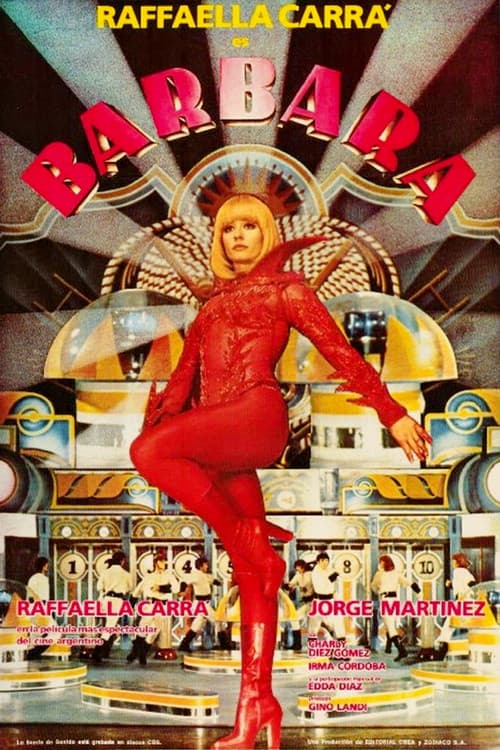
Un joven príncipe se hace pasar por plebeyo y se enamora de una famosa cantante que le corresponde tras muchas intrigas.
Director
Gino LandiGuión
Massimo Franciosa


🎬 Trailers y clips
📝 Reseñas de críticos
1 reseñas
Danybur
7 jul 2021
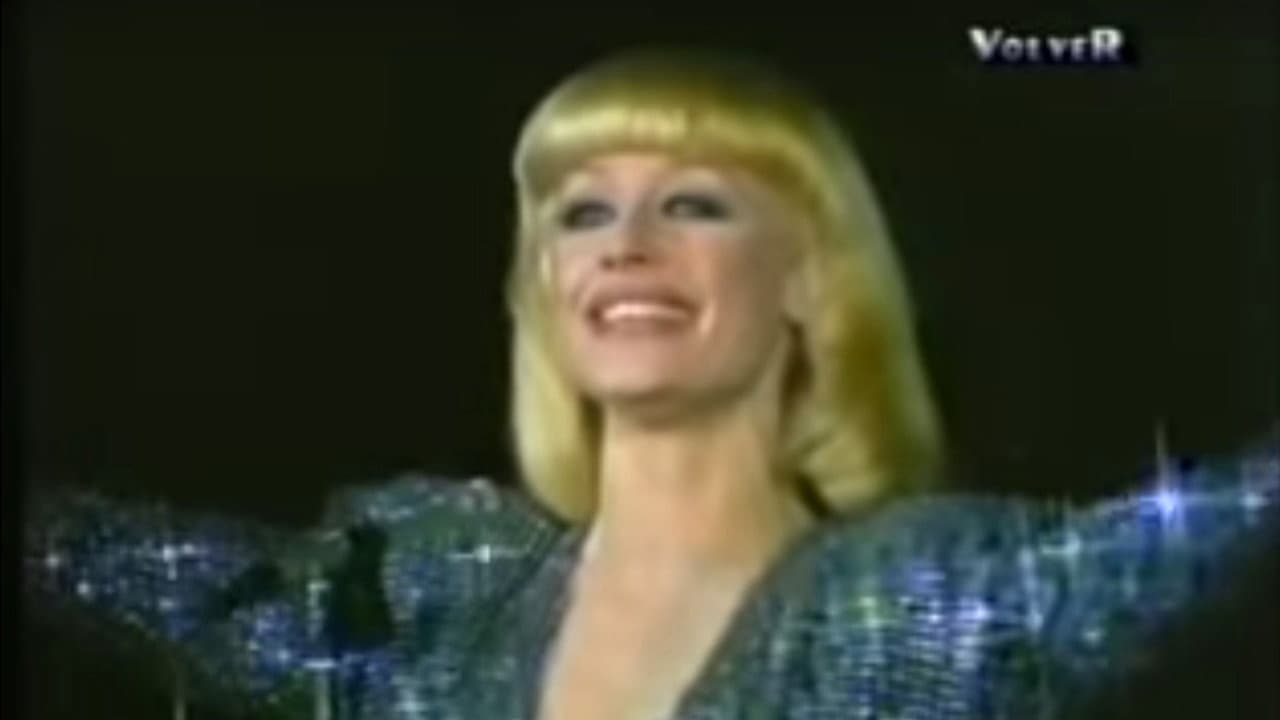
(Español / English) **Raffaella Carrá y su luz en la Buenos Aires de la dictadura / Raffella Carrá and her light in the Buenos Aires of the dictatorship.** https://wp.me/pcXanI-xS Sumario Revisando videos de Raffaella Carrá en YouTube me encontré con esta película filmada por ella en la Argentina en 1980. Resultaba tentador ver un film filmado y exhibido en plena dictadura militar y tratar de percibir el clima de época y detectar desafíos y meta mensajes queer y políticos. ¿Qué hay de todo esto en esta comedia dramática y romántica con toques de thriller que incluye varios clips musicales de la diva? Reseña: En ocasión del reciente fallecimiento de Raffaella Carrá y recorriendo sus videos en YouTube me encontré con esta película rodada en Argentina en 1980, en plena dictadura militar, cuando ella ya era un verdadero suceso. Carrá interpreta a Bárbara, una súper estrella italiana que viene a cantar en un teatro de Buenos Aires. En una conferencia de prensa conoce a un fotógrafo, Mauro (Jorge Martínez). Pronto veremos que Mauro es perseguido por un enigmático trío de personajes, mientras se va gestando un romance con la diva. Era tentador ver una película filmada y exhibida en plena dictadura y tratar de percibir el clima de época y detectar desafíos y meta mensajes queer y políticos. Por un lado, Bárbara es una comedia romántica donde el personaje de Carrá es una mujer decidida, independiente e incluso de armas tomar, jugando a una interesante inversión de roles con su galán. Por otro lado ¿por qué y por quiénes es perseguido Mauro, de modo que permanentemente debe escapar o esconderse? ¿Quién es Mauro? Como comedia en general y como comedia física, la película de Gino Landi es bastante elemental y e hija de su época. Con sus limitaciones, funciona mejor como comedia dramática romántica, con buena química entre Carrá y Martínez. También nos depara secuencias de thriller de acción que nos remiten a otro icono, la Sra. Peel. Una curiosidad es ver al dramaturgo Rubén Szuchmacher como uno de los enigmáticos perseguidores de Mauro. En cuanto a los números musicales, hay interrogantes y desafíos: ¿a quién le canta Bárbara la enigmática y melancólica canción del comienzo frente al Rio de la Plata? El número inicial cantado en inglés con sus bailarines luciendo diminutos y ceñidos shorcitos podría ser perfectamente un video de Madonna (antes de Madonna) y es bastante escandaloso para la Argentina de la época. También tiene la osadía de cantar el tema Pedro P, donde dice: Yo paseaba sola por las calles, Sacando fotos a los monumentos, La típica extranjera con un aire extraño, Que recorre entera toda la ciudad. De pronto y a la vuelta de una esquina, Me llama suavemente un muchachito, Con cara de inocente y aire formalito, Se ofrece como guía para la ciudad. Pedro, Pedro, Pedro, Pedro, ¡Pe! El mejor de toda Santa Fe, Pedro, Pedro, Pedro, Pedro, ¡Pe! Te lo demostraré. refiriéndose a la avenida Santa Fe, epicentro del levante callejero gay y los taxi-boys de Buenos Aires, una canción que devino uno de los himnos de la comunidad LGTBIQ+. La mayoría de las canciones aparecen en clips de montaje, bastante ingenuos, aunque modernos, que constituyen un verdadero paseo turístico por toda la ciudad. Carrá compone un personaje bastante serio, amante de la libertad y dispuesto a comprometerse sin hacer demasiadas preguntas. Quizás esta reseña fuerce un poco las lecturas, pero más allá de ellas y de una protagonista que termina reafirmando su coherencia en el desenlace, la película es un innegable disfrute a través del reencuentro con la legendaria Raffaella Carrá, trayendo algo de oxígeno a los habitantes de estas atribuladas tierras de entonces. Summary Reviewing videos of Raffaella Carrá on YouTube, I came across this film shot by her in Argentina in 1980. It was tempting to see a film filmed and exhibited in the middle of the military dictatorship and try to perceive the climate of the time and detect challenges and queer and political meta messages . How about all of this in this romantic drama comedy with touches of thriller that includes several music clips of the diva? Review: On the occasion of the recent death of Raffaella Carrá and browsing her videos on YouTube, I came across this film shot in Argentina in 1980, in the midst of the military dictatorship, when she was already a real success. Carrá plays Barbara, an Italian superstar who comes to sing in a theater in Buenos Aires. At a press conference she meets a photographer, Mauro (Jorge Martínez). Soon we will see that Mauro is chased by an enigmatic trio of characters, while he is developing a romance with the diva. It was tempting to see a movie filmed and shown during the dictatorship and try to perceive the period climate and detect challenges and meta messages queer and political. On the one hand, Bárbara is a romantic comedy where Carrá's character is a determined, independent woman who even takes up arms, playing an interesting role reversal with her heartthrob. On the other hand, why and by whom is Mauro persecuted, so that he must permanently escape or hide? Who is Mauro? As a comedy in general and as a physical comedy, Gino Landi's film is quite elementary and the daughter of its time. With its limitations, it works best as a romantic comedy drama, with good chemistry between Carrá and Martínez. It also brings us action thriller sequences that refer us to another icon, Mrs. Peel. A curiosity is to see the playwright Rubén Szuchmacher as one of the enigmatic persecutors of Mauro. As for the musical numbers, there are questions and challenges: to whom does Bárbara sing the enigmatic and melancholic song of the beginning in front of the Rio de la Plata? The opening number sung in English with her dancers wearing tiny and tight pants could perfectly be a video of Madonna (before Madonna) and is quite scandalous for Argentina at the time. She also has the audacity to sing the song Pedro P, where she says: I walked alone through the streets, Taking photos of the monuments, The typical foreigner with a strange air, That runs through the entire city. Suddenly and around a corner, A little boy calls me softly, With an innocent face and a formal air, He offers himself as a guide for the city. Pedro, Pedro, Pedro, Pedro, Pe! The best in all of Santa Fe, Pedro, Pedro, Pedro, Pedro, Pe! I will prove it to you. referring to Santa Fe Avenue, the hottest street spot for gay flirting and hooking up and the taxi-boys of Buenos Aires, a song that became one of the anthems of the Argentine LGTBIQ+ community. Most of the songs appear in fairly naive, yet modern, montage clips that make for a real city-wide sightseeing tour. Carrá is a fairly serious character, a lover of freedom and willing to commit without asking too many questions. Perhaps this review forces the readings a bit, but beyond them and a protagonist who ends up reaffirming her coherence in the outcome, the film is an undeniable enjoyment through the reunion with the legendary Raffaella Carrá, bringing some oxygen to the inhabitants from these troubled lands back then.