Detalles
- Estado
- Estrenada
- Duración
- 1h 28m
- Estreno
- 22 de febrero de 1965
🎬 PelículaBélicaDrama1965⏱ 1h 28m
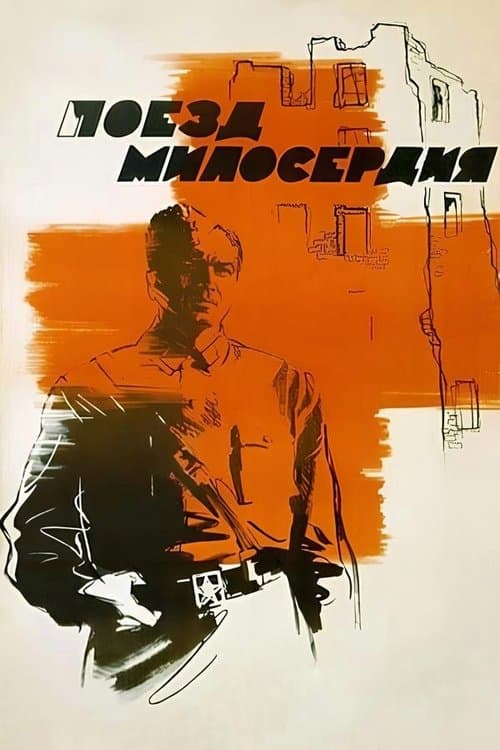
Поезд милосердия
Director
Искандер ХамраевGuión
Вера Панова, Вера Панова, Хейли Элкен
Reparto principal


📝 Reseñas de críticos
1 reseñas
Aqueronte72
11 ago 2024
A true evocative treasure is this film. Ironic is that in the movement of this Soviet train heading to the trenches, full of support with nurses, with surgeons and food, with medicines, another little more of patriotic camaraderie is spent; And so, Ivan Danilov, Nikolai Belov and all the characters evoke, not without a nostalgic mood - quite apart from knowing that the motherland is losing - interrupted family moments, undeserved incomplete experiences and an infinity of human existential situations that are at least hasty, that each of them has been cut short by the infamous war; and while some lucky ones remember beautiful images from their recent past, like Ivan Danilov representing in his mind the small precious moments with his wife Dusya in the warmth of the Soviet radio choirs, The dream, in fact, is silenced when the convoy is attacked by the enemy, car 18 is on fire; others, like the doctor comrade Nikolai, only bring back a bitter anecdote in which he did not help or support his son Igor. The aid train is the happy occasion to try again the millet porridge that the head of the hospital sends them as a courtesy. the Kheche not a letter for Igor's father; here the nurse Lena assists the soldier who loses his foot and is replaced by wood, and who reminds him of his Lena, over there the nurse Faina Vasilievna doing tasks. The images of aspects of this enormous ambulance train as it passes through different geographies, from its departure from Pskov, are rustic and unmissable for those of us who are movie buffs, and my favorite scene, but that is because I am hopelessly sentimental, it is the sunset and The lakes that remain in the path of the train are evident and suddenly the cold rain falls on Lena, then she remembers, remembers; her body next to his, "Теперь в кожаной палатке стуали уже два сердца." ..(Now two hearts were already beating in the leather shop);"Она слушала эту грозу, эти разряды в себе и в нем."(She heard this storm, these discharges in her and in him). The journey continues and the effects of the cinematography are sublime: the subjective camera when the afflicted doctor Nikolai walks between the corridors flanked by improvised beds with injured or sick people, and the desperate Comrade Lutokhin, feverishly shouting, demands a bath, needs a bath, urges him to something that overwhelms him in his skin and in his body and the others silence him, ensuring that he is pretending. Nikolai Belov begins to feel the weight of his entire story in a single trip, and the reasoning that assails him reminds a lot of the metacognition of the Rural Doctor by Kafka. Especially when he says: "Если у меня горе, почему другие должны?" (If I feel sorry, why should others?) At least until the winds of change come, the Germans are driven out of the Volga. When at an unknown station Lena runs into her man, he confesses that he does not love her, somehow it happened, and thus "the love that gave Lenochka strength and beauty during the ill-fated war, fell on her shoulders like a heavy burden ". You shouldn't miss the end, when the war ends and they return home; It seems that there will be disappointment for Juelnka because the apathetic doctor did not notice her interest, there is none, and a well-deserved reception for the heroine; It seems that there will be recognition for Ivan Danilov, there will not be, but yes, luxury time to focus on his wife and children. The philosophy of life in the flesh; I highly recommend this film.