⭐ 66%
Tomatómetro
Fresh
👥 63%
Audiencia
911 votos
Dónde ver
Streaming


Detalles
- Estado
- Released
- Duración
- 1h 49m
- Estreno
- 11 de marzo de 2020
- Taquilla
- $3,507,755
🎬 PelículaDramaRomanceHistoria2020⏱ 1h 49m
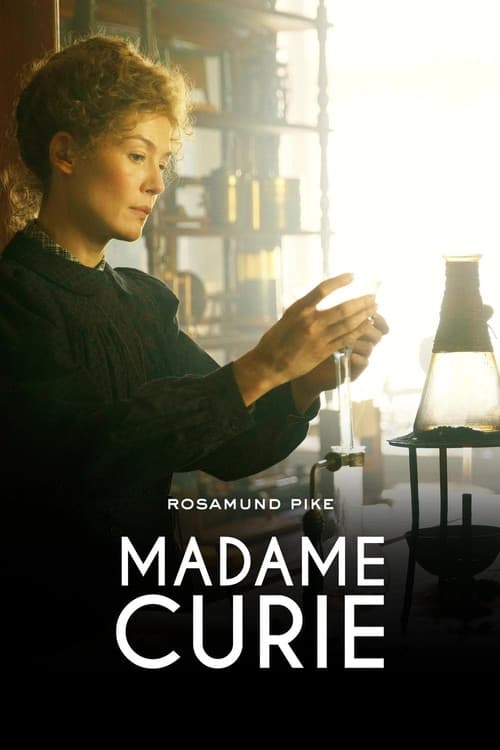
Madame Curie
"Pionera. Genio. Rebelde."
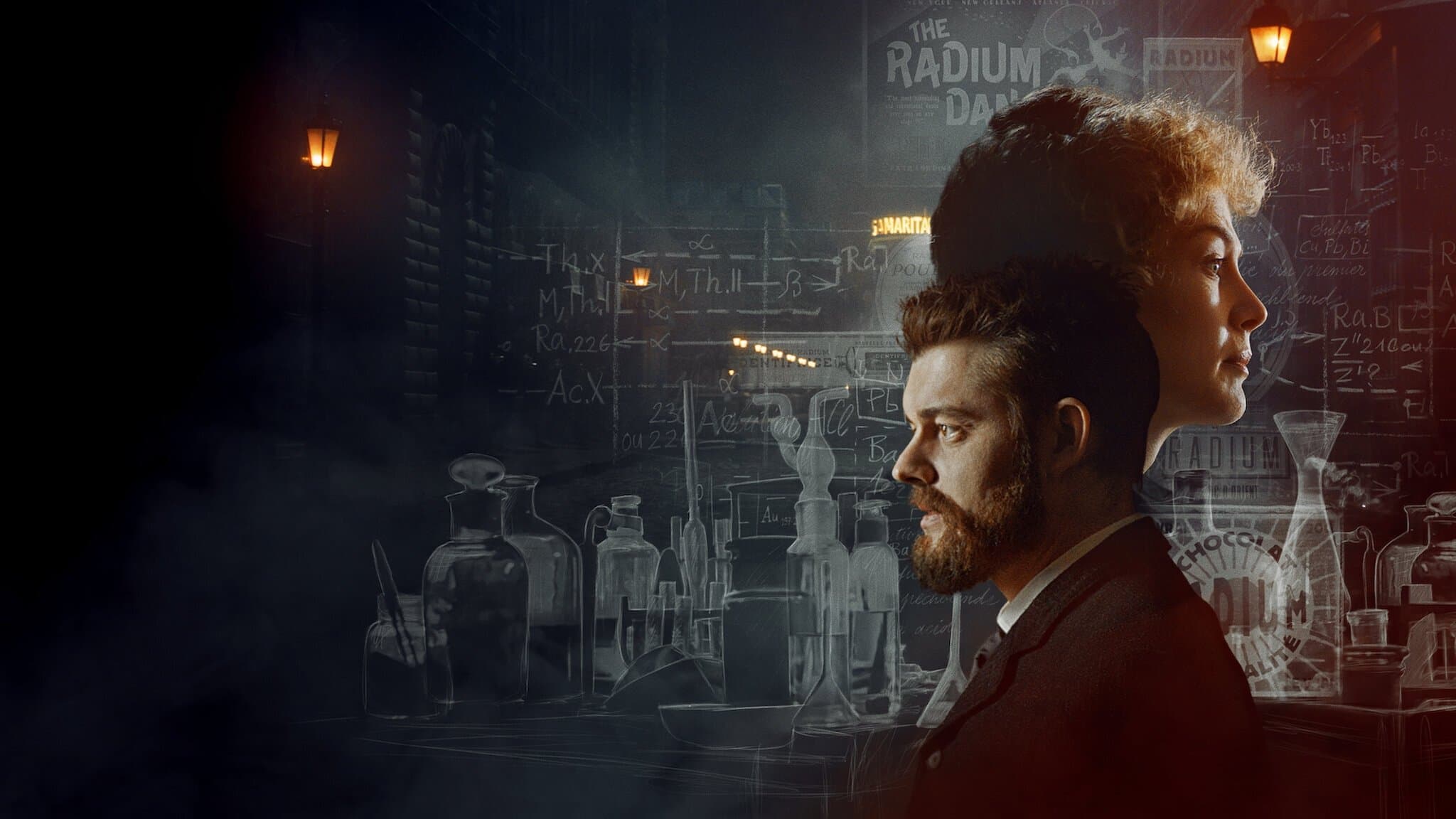
Cuenta la historia de la ganadora del Premio Nobel Marie Curie y sus extraordinarios descubrimientos científicos, a través del prisma de su matrimonio con su esposo Pierre, y los efectos sísmicos y transformadores que su descubrimiento del radio tuvo en el siglo XX.
Director
Marjane SatrapiGuión
Lauren Redniss, Jack Thorne
Reparto principal



📝 Reseñas de críticos
1 reseñas
Danybur
21 abr 2021
(Español / Inglés) **_Si bien incurre en los esquematismos de tantas otras biopics, la película es una buena puerta de entrada para conocer aspectos no tan conocidos de la vida de la célebre científica y los prejuicios que movilizó en su época._** La película es una biopic que abarca un tramo bastante amplio de la vida de la famosa investigadora y ganadora dos veces del Premio Nobel. Marjane Satrapi supo dirigir esa maravilla animada llamada Persépolis sobre una mujer y su relación con la machista Irán. Esta película no está a su altura, pero la impronta feminista, naturalmente, vuelve a estar presente en la figura de esta científica que desafió al entorno científico de su época con un descubrimiento revolucionario: que los elementos químicos podían transmutarse (transformarse) en otros merced a la emisión de radiaciones. La película reúne varios de los vicios y esquematismos de muchas biopics: un ritmo acelerado al comienzo para capturar al espectador, la voluntad de condensar casi toda una vida en menos de dos horas (en una suerte de desfile de tópicos), una protagonista más o menos bien delineada pero que no llega a profundizarse y un cierto didactismo que lamentablemente no hace demasiado hincapié en los aspectos científicos de la historia (y de este modo comprender lo revolucionario de su descubrimeinto) y que además recurre a un recurso formal que nos muestra las obvias derivaciones de los descubrimientos de Curie. Aparecerán sus choques con el establishment académico y científico francés, la lucha por seguir con sus experimentos, los ninguneos a la hora de los premios. Entre los aciertos, contamos con las buenas actuaciones de Rosamund Pike y de Sam Riley como su marido Pierre Curie, ciertas escenas de carácter onírico, la reconstrucción de época y la puesta en escena de aspectos no tan conocidos de su vida como los desafíos a las convenciones sociales de la época y otros que prefiero no spoilear. Madame Curie acaso sea, sobre todo, un necesario recordatorio sobre lo que significaba ser una mujer lúcida, brillante, independiente, desafiante y extranjera en la París de principios de siglo XX y de cómo el odio y el prejuicio no reconocen méritos y razones, en esa época y en ninguna otra. **_Although it incurs the schematics of so many other biopics, the film is a good gateway to discover less well-known aspects of the life of the famous scientist and the prejudices that she mobilized in her time_** Review The film is a biopic that covers a fairly wide stretch of the life of the famous researcher and two-time Nobel Prize winner. Marjane Satrapi directed that animated marvel called Persepolis about a woman and her relationship with macho Iran. This film is not up to its standards, but the feminist imprint, naturally, is once again present in the figure of this scientist who challenged the scientific environment of her time with a revolutionary discovery: that chemical elements could be transmuted (transformed) into other merits. to the emission of radiation. The film brings together several of the vices and schematics of many biopics: an accelerated pace at the beginning to capture the viewer, the will to condense almost an entire life in less than two hours (in a sort of parade of topics), a protagonist more or less well delineated but does not get to be deepened and a certain didacticism that unfortunately does not place too much emphasis on the scientific aspects of the story (and thus understand the revolutionary nature of its discovery) and that also resorts to a formal resource that shows us the obvious derivations of Curie's discoveries. Her clashes with the French academic and scientific establishment will appear, the struggle to continue with her experiments, the none at the time of the awards. Among the successes, we have the good performances of Rosamund Pike and Sam Riley as her husband Pierre Curie, certain dreamlike scenes, the reconstruction of the time and the staging of not-so-known aspects of his life such as the challenges to social conventions of the time and others that I prefer not to spoil. Madame Curie is perhaps, above all, a necessary reminder of what it meant to be a lucid, brilliant, independent, defiant and foreign woman in early 20th century Paris and how hatred and prejudice do not recognize merits and reasons, in that time and no other.