⭐ 68%
Tomatómetro
Fresh
👥 65%
Audiencia
1,371 votos
Dónde ver
Renta




Detalles
- Estado
- Released
- Duración
- 1h 49m
- Estreno
- 29 de junio de 2018
🎬 PelículaDrama2018⏱ 1h 49m
Sin Rastro
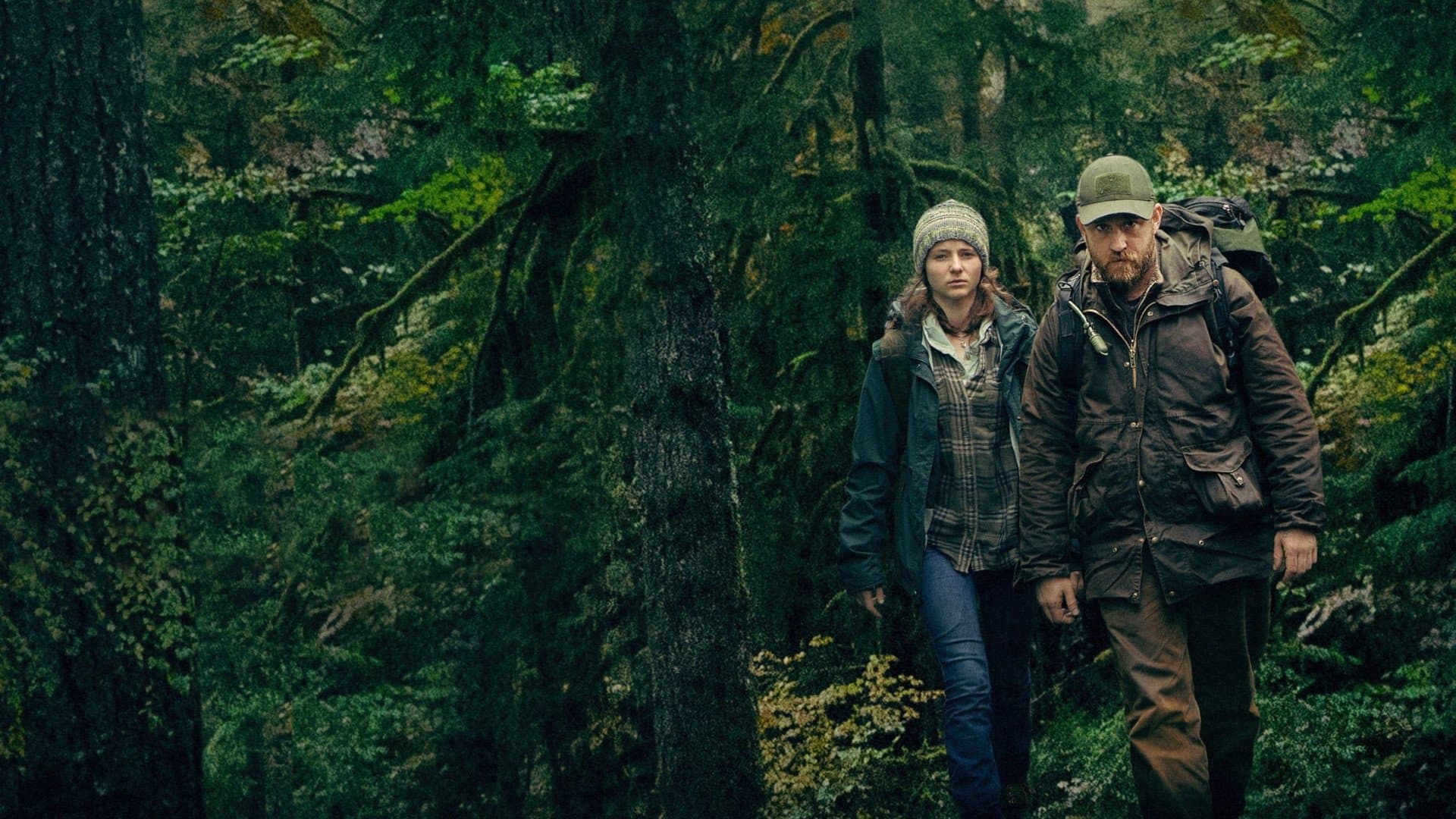
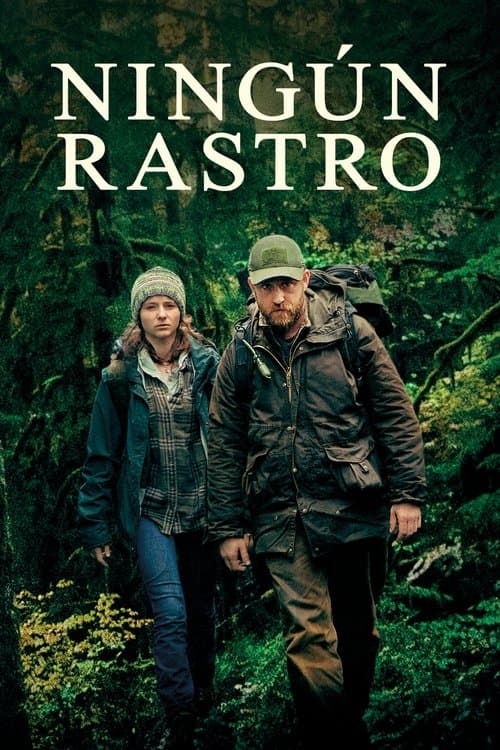
Un padre y su hija de 13 años viven una vida paradisíaca en un parque enorme de Portland, Oregon, hasta que un pequeño error complica sus vidas para siempre.
Director
Debra GranikGuión
Debra Granik, Anne Rosellini
Reparto principal



📝 Reseñas de críticos
1 reseñas
Marco-Hugo Landeta Vacas
23 ene 2026
(CASTELLANO) No dejes rastro es una película pequeña, silenciosa y muy contenida, de esas que avanzan despacio y que, a ratos, pueden resultar algo pesadas si uno espera giros o golpes emocionales más evidentes. Pero su fuerza no está ahí. Está en los gestos mínimos, en las miradas y en la relación tan delicada que construye entre un padre y una hija que viven al margen de casi todo. La película observa a sus personajes con una paciencia poco habitual. No juzga, no explica de más y no subraya. Eso puede jugar en su contra en algunos momentos, cuando la narración parece estancarse, pero también es lo que le da su personalidad. Es un cine que confía en el espectador y en su capacidad para leer lo que no se dice. Thomasin McKenzie está magnífica. Su personaje crece ante nuestros ojos con una naturalidad impresionante, y es imposible no fijarse en ella. Ya no es solo una promesa: tiene presencia, sensibilidad y una fuerza tranquila que se queda contigo. Viéndola aquí, resulta inevitable reconocerla después en otras películas y pensar que tiene algo especial. Ben Foster, por su parte, aporta una intensidad constante, contenida pero siempre a punto de desbordarse. Debra Granik dirige con enorme sensibilidad, construyendo un mundo que se siente real, vivido, casi táctil. El entorno, los silencios y el ritmo forman parte del relato tanto como los propios personajes. No es una película fácil ni pensada para todos los públicos, pero sí profundamente honesta. No dejes rastro no busca impresionar, sino acompañar. Y aunque no siempre mantiene el pulso narrativo, deja una sensación duradera, como una despedida hecha en voz baja. (ENGLISH) Leave No Trace is a small, quiet and very restrained film, one that moves slowly and that, at times, can feel a bit heavy if you are expecting obvious turns or emotional punches. But its strength lies elsewhere. It is in the minimal gestures, in the looks, and in the delicate relationship it builds between a father and a daughter who live on the margins of almost everything. The film observes its characters with unusual patience. It does not judge, it does not over-explain, and it does not underline emotions. That can work against it at certain moments, when the narration seems to stall, but it is also what gives the film its personality. This is cinema that trusts the viewer and their ability to read what is left unsaid. Thomasin McKenzie is magnificent. Her character grows before our eyes with impressive naturalness, and it is impossible not to notice her. She is no longer just a promise: she has presence, sensitivity, and a quiet strength that stays with you. Watching her here, it is inevitable to recognize her later in other films and feel that there is something special about her. Ben Foster, meanwhile, brings a constant intensity, restrained but always on the verge of overflowing. Debra Granik directs with enormous sensitivity, building a world that feels real, lived-in, almost tactile. The setting, the silences, and the rhythm are as much a part of the story as the characters themselves. It is not an easy film, nor one made for everyone, but it is deeply honest. Leave No Trace does not try to impress; it wants to accompany. And even if it does not always maintain narrative momentum, it leaves a lasting feeling behind, like a farewell spoken in a low voice.