⭐ 62%
Tomatómetro
Fresh
👥 59%
Audiencia
1,359 votos
Dónde ver
Streaming


Detalles
- Estado
- Released
- Duración
- 1h 37m
- Estreno
- 29 de junio de 2018
🎬 PelículaCiencia ficciónSuspenseTerror2018⏱ 1h 37m
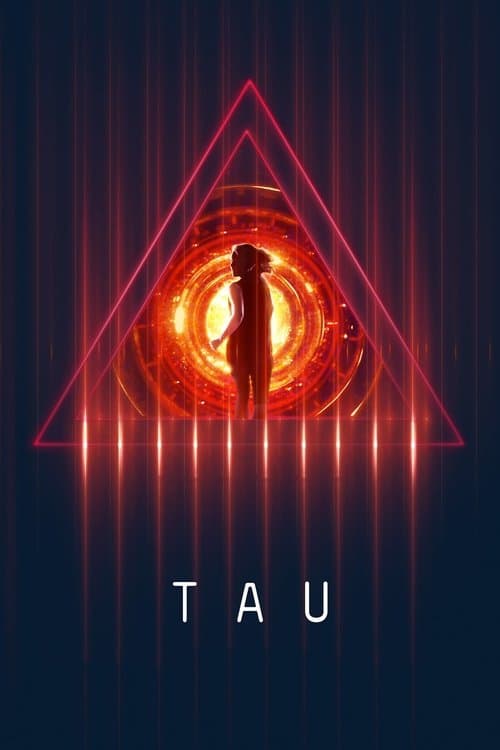
Tau
Secuestrada por un inventor que la usa como conejillo de Indias para sus invenciones robóticas, una avispada joven intenta escapar del encierro al que está sometida.
Director
Federico D'AlessandroGuión
Noga Landau
Reparto principal



📝 Reseñas de críticos
1 reseñas
Marco-Hugo Landeta Vacas
1 mar 2026
(CASTELLANO) Hay películas que sabes que no van a cambiar el género, pero aun así decides quedarte hasta el final. Eso me pasó con TAU. Es un thriller de ciencia ficción pequeño, casi teatral, que juega con la idea clásica de la persona atrapada que intenta escapar… con el añadido de una inteligencia artificial que lo controla todo. No es brillante, pero tampoco es el desastre que algunos pintaron. Lo más interesante está en el propio concepto: no tanto la fuga física como el intento de educar emocionalmente a una máquina. Ahí la película encuentra algo sugerente. Cuando se centra en la curiosidad, el miedo o la conciencia del propio “yo” dentro del sistema, funciona mejor. Se nota que quiere hablar de identidad y aprendizaje, aunque no siempre profundiza lo suficiente. El problema llega cuando la inteligencia artificial empieza a comportarse con una ingenuidad difícil de justificar. En más de un momento parece demasiado fácil manipular algo que, en teoría, debería estar varios pasos por delante. Eso rebaja la tensión. Y si el espectador deja de sentir que el peligro es real, el pulso del relato se resiente. Maika Monroe sostiene la película con bastante solvencia; transmite vulnerabilidad sin caer en el histrionismo. El antagonista humano, en cambio, resulta más plano de lo que debería, y eso limita el conflicto. Visualmente está bien resuelta: diseño limpio, luces frías, una puesta en escena coherente con su presupuesto y sin alardes innecesarios. No es una obra mayor sobre la inteligencia artificial, ni compite con referentes más ambiciosos. Pero como propuesta contenida, con una idea central reconocible y algunos momentos de intriga bien manejados, se deja ver. Tiene ingenuidades, sí. Tiene soluciones discutibles, también. Aun así, la terminé sin arrepentirme. (ENGLISH) There are films you know won’t redefine the genre, yet you still choose to stay until the end. That’s what happened to me with TAU. It’s a small, almost theatrical sci-fi thriller that plays with the classic trapped-person-trying-to-escape premise… with the added twist of an all-controlling artificial intelligence. It’s not brilliant, but it’s far from the disaster some claimed it to be. What works best is the core idea: not so much the physical escape as the attempt to emotionally educate a machine. That’s where the film becomes intriguing. When it focuses on curiosity, fear, or self-awareness within the system, it gains depth. You can tell it wants to explore identity and learning, even if it doesn’t always go far enough. The problem appears when the AI begins to act with a naïveté that’s hard to justify. At times, it feels far too easy to manipulate something that should theoretically be several steps ahead. That weakens the tension. And once the viewer stops believing in the danger, the narrative pulse inevitably drops. Maika Monroe carries the film with solid presence; she conveys vulnerability without overacting. The human antagonist, however, feels flatter than he should, which limits the central conflict. Visually, it’s well executed: clean design, cold lighting, and a mise-en-scène that fits its budget without unnecessary showmanship. It’s not a major statement on artificial intelligence, nor does it compete with more ambitious genre landmarks. But as a contained piece with a recognizable central idea and a few well-handled suspense beats, it’s watchable. It has its naïve moments. It has questionable solutions. Still, I finished it without regret.