⭐ 66%
Tomatómetro
Fresh
👥 62%
Audiencia
50 votos
Detalles
- Estado
- Released
- Duración
- 1h 43m
- Estreno
- 23 de abril de 2004




📝 Reseñas de críticos
1 reseñas
Marco-Hugo Landeta Vacas
7 dic 2025
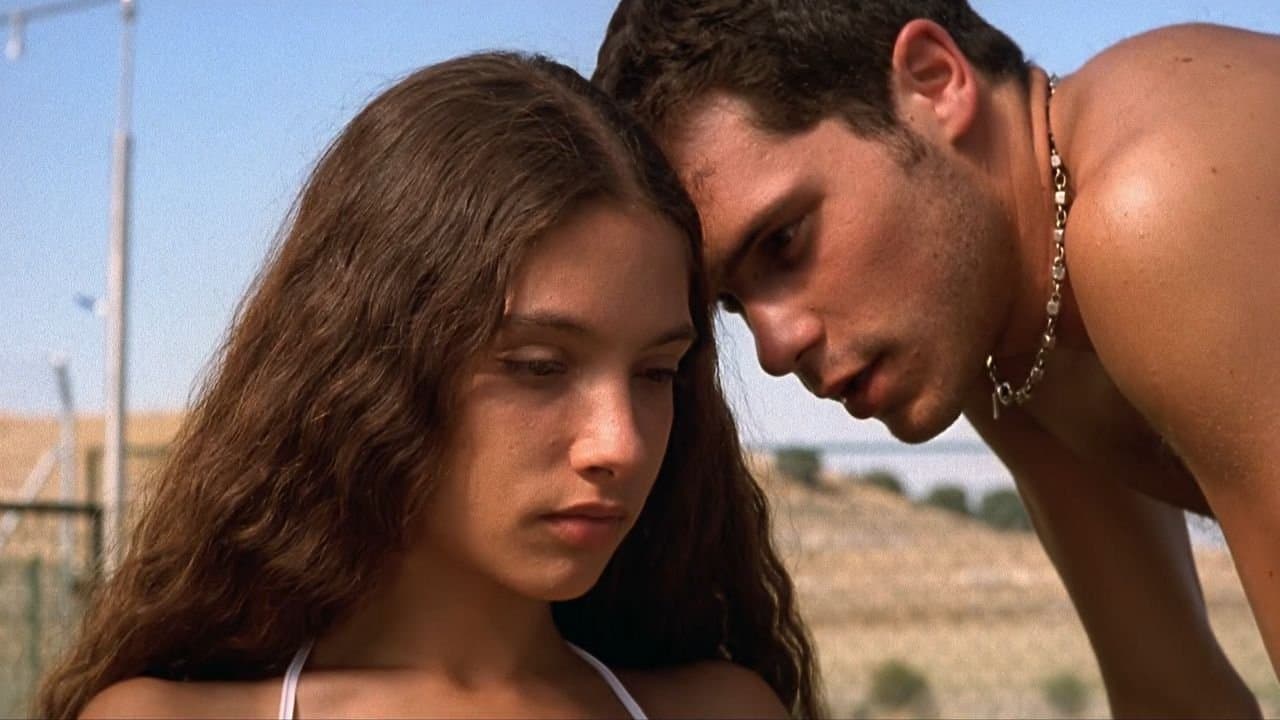
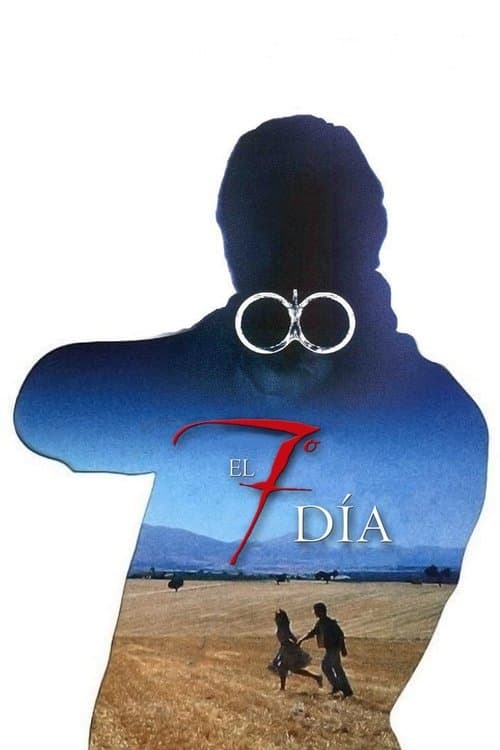
(CASTELLANO) Recordaba perfectamente el caso real de Puerto Hurraco. Yo tenía 15 años y, durante aquel verano, escuchar algo así era casi inimaginable: parecía lejano, irreal, como si perteneciera a un pasado oscuro que ya no existía. Por eso sorprende que El séptimo día lo haga todavía más difícil de entender. La película adapta la tragedia, pero introduce cambios dramáticos y decisiones narrativas que alteran el punto emocional. No contar las cosas exactamente como ocurrieron no es un problema en sí mismo, pero aquí provoca que la historia pierda parte de su crudeza y su dimensión real. Carlos Saura construye un drama sobrio, contenido, que retrata un ambiente rural lleno de rencor, orgullo y heridas antiguas. La puesta en escena funciona, y el clima del pueblo, seco y enrarecido, es probablemente lo que mejor refleja aquello: esa sensación de que el odio se hereda, que crece en silencio y se transmite como un veneno. Sin embargo, la decisión de convertir la historia en algo más “universal” —centrándose menos en los asesinos y más en una narradora adolescente— provoca distancia. La película parece alinearse claramente con las víctimas finales, cuando, en el caso real, el horror se entiende mejor si uno conoce el camino previo, la obsesión familiar, las afrentas y la locura progresiva. El guion de Ray Loriga tiene momentos fríos, con poca empatía y sin demasiada curiosidad por escarbar en la psicología de los personajes clave. Creo que ahí es donde la película pierde su mayor oportunidad: no ves cómo los cuatro hermanos se van hundiendo poco a poco en el odio, ni cómo la paranoia se apodera de toda la familia. Sin ese recorrido, la masacre parece surgir de la nada, como si no existiera una cadena interminable de agravios, miedo, supersticiones y resentimiento. Lo que sí funciona de verdad es el reparto. José Luis Gómez, Juan Diego y Victoria Abril están descomunales, llenando cada escena con miradas, silencios y gestos capaces de contar más que cualquier diálogo. Ellos sí transmiten la oscuridad, el dolor acumulado y la sensación de que no existe salida posible. También se agradece el trabajo de actores secundarios que hacen del pueblo un personaje vivo, lleno de tensiones latentes. Si la película hubiera puesto más el foco en ellos, habría tenido una fuerza todavía mayor. Desde lo técnico, Saura filma con elegancia: la fotografía, el ritmo, la música popular y la secuencia de la masacre final logran ser inolvidables. Ese tramo final es brutal, seco, sin espectáculo ni edulcorante. Te mete de lleno en una matanza que, aunque real, cuesta asimilar. Es tan repentina que resulta devastadora, probablemente el momento donde la película alcanza la contundencia emocional que buscaba. Como aproximación a una tragedia real, el filme es interesante y en ocasiones muy poderoso, pero la elección de distanciarse emocionalmente y de contar la historia desde un punto de vista periférico hace que uno termine más frío de lo que debería en una historia así. No es una mala película —ni mucho menos—, pero a veces parece contenerse demasiado, cuando la realidad fue infinitamente más perturbadora. (ENGLISH) I remembered the real Puerto Hurraco case clearly. I was 15 that summer, and hearing about something like that felt remote and unreal, as if it belonged to an old Spain that no longer existed. Watching The Seventh Day makes the tragedy feel harder to grasp, mostly because the film alters some events and emotional tones. Not telling the story exactly as it happened isn’t really a flaw, but here it creates some confusion and removes part of the raw force of the original horror. Carlos Saura delivers a restrained, sober drama about a rural world full of old grudges and inherited pride. The atmosphere of the village —dry, tense, resentful— is one of the film’s greatest strengths. It conveys the idea that hate doesn’t appear suddenly; it is transmitted, like poison, across generations. However, the narrative choice of focusing more on a teenage narrator rather than deeply exploring the psychology of the killers creates emotional distance. The film positions itself clearly on the side of the final victims, but the real tragedy is easier to understand when we witness the escalating paranoia, humiliation and endless resentment that preceded the massacre. Ray Loriga’s script feels cold at times and shows little curiosity about the inner world of the assassins, who should be the dramatic core. Without a deeper look at how madness grows, the massacre seems to come out of nowhere, when in reality it was the result of years of grievance, fear, superstition and frustration. That detachment is what prevents the film from reaching a truly disturbing emotional impact. The acting, however, is excellent. José Luis Gómez, Juan Diego and Victoria Abril fill the screen with silence, tension and restrained fury, telling more with their eyes than with words. They embody the deep wounds, the helplessness and the certainty that violence is inevitable. The supporting actors also help build the atmosphere of a suffocating and suspicious village, which becomes a character in itself. Technically, Saura films with elegance: photography, rhythm, music and the shocking massacre sequence are unforgettable. The final act is brutal, lean and unadorned, emotionally devastating because of its suddenness and realism. That is when the film reaches its strongest emotional point. As an approach to a real tragedy, the film is interesting and occasionally powerful, but the decision to narrate from the margins weakens its emotional intensity. The Seventh Day isn’t a bad film at all —but sometimes it holds itself back too much, when reality was infinitely more disturbing.