⭐ 68%
Tomatómetro
Fresh
👥 65%
Audiencia
66 votos
Detalles
- Estado
- Released
- Duración
- 2h 17m
- Estreno
- 23 de mayo de 2006
🎬 PelículaDramaHistoria2006⏱ 2h 17m
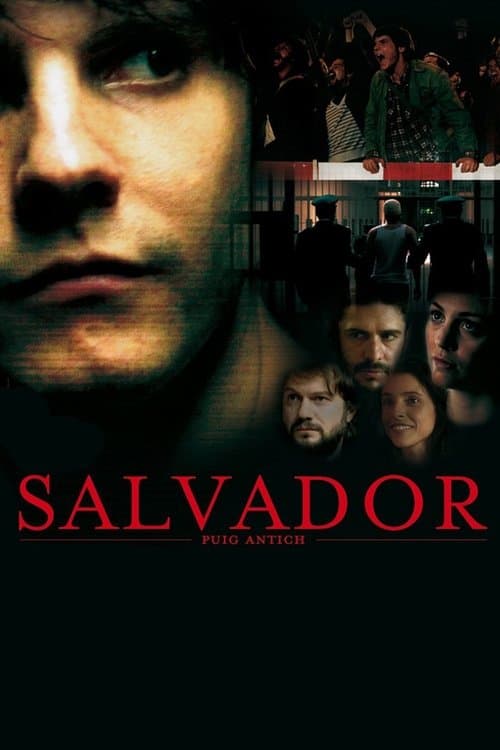
Salvador (Puig Antich)
Director
Manuel HuergaGuión
Francesc Escribano, Lluís Arcarazo






📝 Reseñas de críticos
1 reseñas
Marco-Hugo Landeta Vacas
17 feb 2025
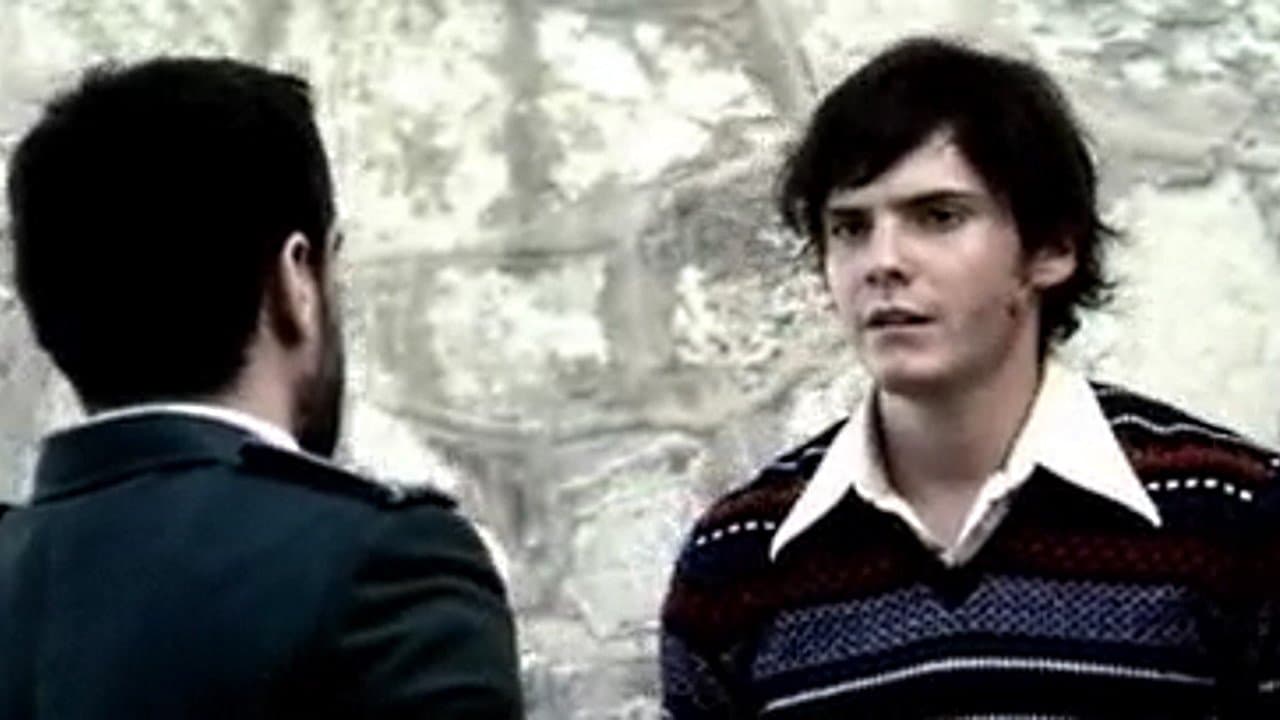
(CASTELLANO) El cine sobre la memoria histórica suele moverse en terrenos complicados, y Salvador (Puig Antich) lo hace con una intensidad poco común. Desde el principio, Manuel Huerga imprime un estilo visual potente que da cuerpo a la historia del anarquista catalán ejecutado por el franquismo en 1974. La película no se anda con rodeos y nos mete de lleno en su destino inevitable, pero antes de eso, nos muestra a un Salvador humano, con ideales, errores y una vida que le fue arrebatada sin miramientos. Daniel Brühl ofrece una interpretación excepcional, construyendo un personaje que se siente vivo hasta en los momentos más silenciosos. Su evolución a lo largo del metraje es brutal, y cuando llega el desenlace, la angustia que transmite es difícil de sacudir. La dirección de Huerga es otro de los puntos fuertes, aunque es cierto que la primera parte, la de los atracos, tiene un aire que recuerda al cine argentino, con una puesta en escena más estilizada que realista. Afortunadamente, cuando la película se centra en el proceso judicial y en los días previos a la ejecución, todo se vuelve mucho más crudo, directo y demoledor. Uno de los grandes aciertos del film es cómo evita caer en la idealización vacía o en la nostalgia impostada. Aquí no hay héroes ni villanos de cartón, sino una historia que duele porque fue real y porque sigue teniendo eco en la actualidad. El guion maneja la tensión de manera magistral, logrando que cada escena del tramo final se sienta como un puñetazo en el estómago. A pesar de algunas decisiones estéticas discutibles en su arranque, Salvador es una película de una fuerza impresionante. No solo recupera la historia de Puig Antich, sino que lo hace con una sensibilidad y un rigor que pocas veces se ven en el cine español. Un golpe seco de realidad que deja huella. (ENGLISH) Historical memory films often tread difficult ground, and Salvador (Puig Antich) does so with uncommon intensity. From the start, Manuel Huerga applies a powerful visual style that gives weight to the story of the Catalan anarchist executed by the Franco regime in 1974. The film doesn’t hold back, throwing us directly into his inevitable fate, but before that, it presents Salvador as a human being—one with ideals, flaws, and a life that was taken away without mercy. Daniel Brühl delivers an exceptional performance, portraying a character who feels alive even in the quietest moments. His evolution throughout the film is brutal, and when the final moments arrive, the anguish he conveys is difficult to shake off. Huerga’s direction is another strong point, though the first section, centered on the heists, has a stylized approach reminiscent of Argentine cinema rather than raw realism. Fortunately, once the film shifts focus to the trial and the days leading up to the execution, everything becomes much more visceral, direct, and devastating. One of the film’s greatest achievements is how it avoids empty idealization or forced nostalgia. There are no one-dimensional heroes or villains here—just a story that hurts because it was real and still echoes today. The script masterfully builds tension, making every scene in the final stretch feel like a punch to the gut. Despite some questionable aesthetic choices in the opening, Salvador is an incredibly powerful film. It doesn’t just retell Puig Antich’s story—it does so with a sensitivity and precision rarely seen in Spanish cinema. A sharp, unforgiving dose of reality that leaves its mark.